Security and Stability
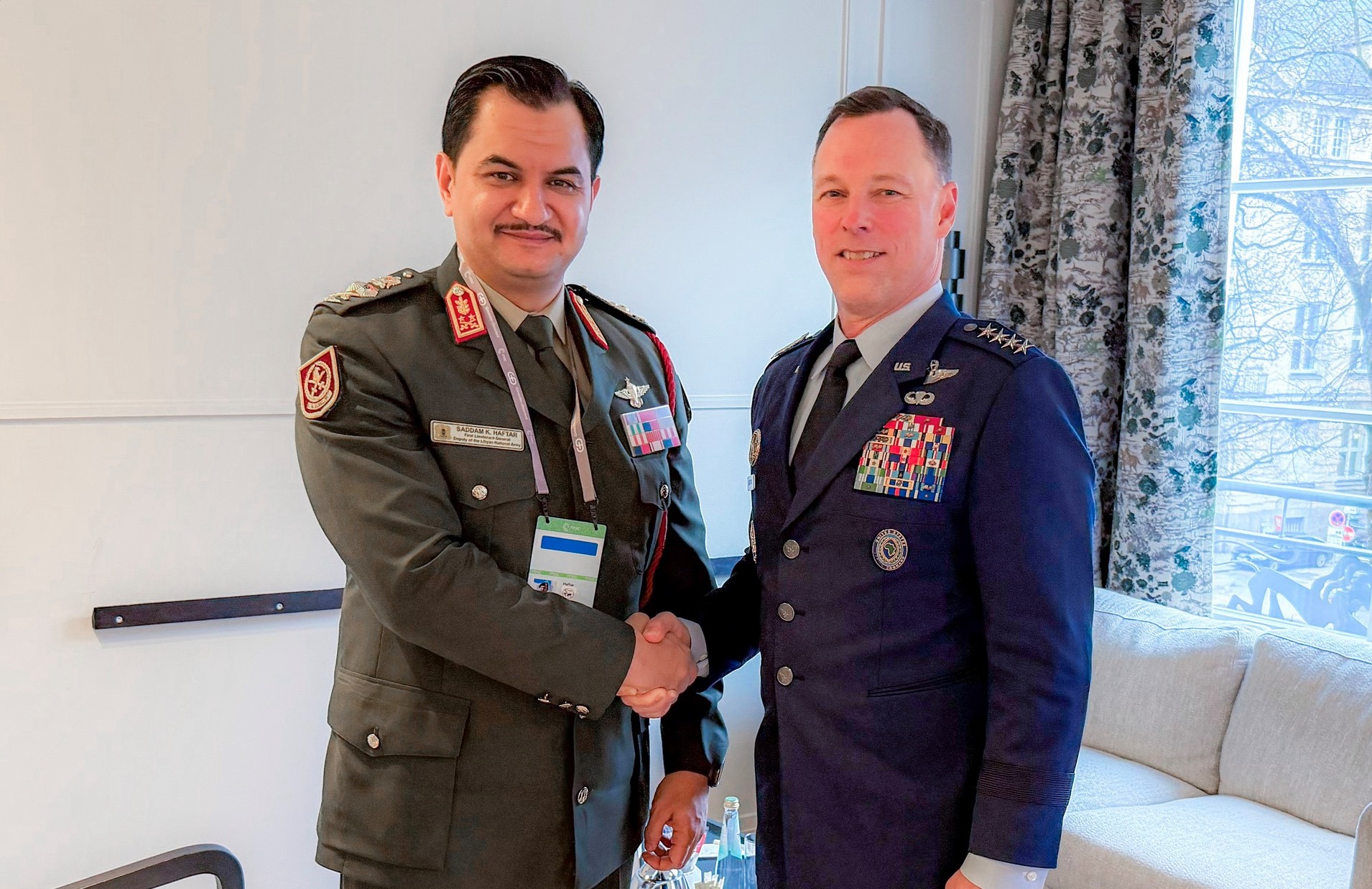
- Deputy commander-in-chief of the armed forces, General Saddam Haftar, met with the commander of the United States Africa Command (AFRICOM), General Dagvin Anderson, on the sidelines of his participation in the Munich Security Conference (MSC 2026). The deputy commander-in-chief’s participation in the conference included a series of meetings with several officials, during which he held discussions on the latest developments in Libya and ways to enhance cooperation on issues of mutual interest.
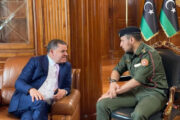
- A meeting in Tripoli brought together Libya’s Chief of Staff Salah al-Namroush, the U.S. Embassy Chargé d’affaires Jeremy Brent, and the Deputy Commander of AFRICOM (Lt. Gen. John Brennan). The U.S. side reaffirmed support for Libyan-led efforts to overcome divisions and unify military institutions, as reported via U.S. Embassy messaging. They discussed enhancing military and security cooperation between their countries. Talks included developing training and rehabilitation programs. They also focused on supporting efforts to unify the military institution. Joint coordination in information exchange and capacity building was also discussed.
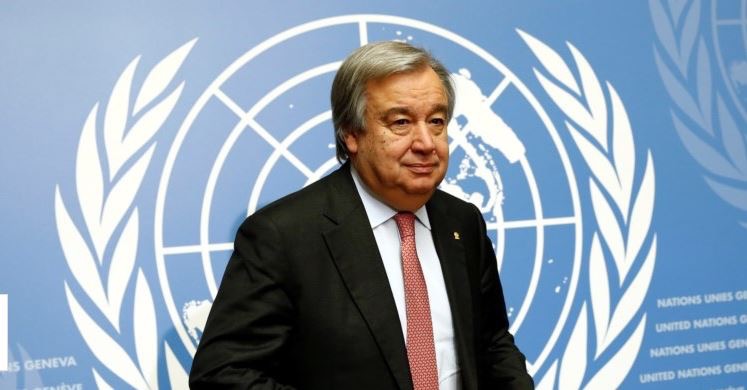
- UN Secretary-General António Guterres urged Libyan political and military actors to engage seriously in a comprehensive peaceful path and warned against new rounds of conflict. The statement was reported in the context of remarks delivered during the opening of the 39th African Union Summit in Addis Ababa, attended by Presidential Council head Mohamed al-Menfi.
- Sarah Adams, a former CIA operations officer and prominent counter-terrorism analyst, has dropped a political bombshell regarding the deep infiltration of extremist leaders into the power structures of Tripoli. Her latest revelations link high-ranking officials in the outgoing Government of National Unity (GNU) to international terrorism. In a detailed report titled “When Terrorists Become Diplomats,” Adams launched a scathing critique of Washington’s policies, which she claims allowed individuals involved in the 2012 Benghazi consulate attacks to rise to the pinnacle of Libya’s political hierarchy. Adams asserted that Al-Qaeda-linked terrorists did not vanish after the attacks; instead, they were “promoted” to sensitive official positions within the Tripoli-based government led by Abdulhamid Dbeibah.The warning extended beyond Libyan borders. Adams confirmed ongoing efforts to track “Libyan sleeper cells” currently on U.S. soil, allegedly planning attacks against American targets. Her report hinted at the necessity of moving against political arms linked to the Muslim Brotherhood in the United States, who she suggests provide support for these radical networks.
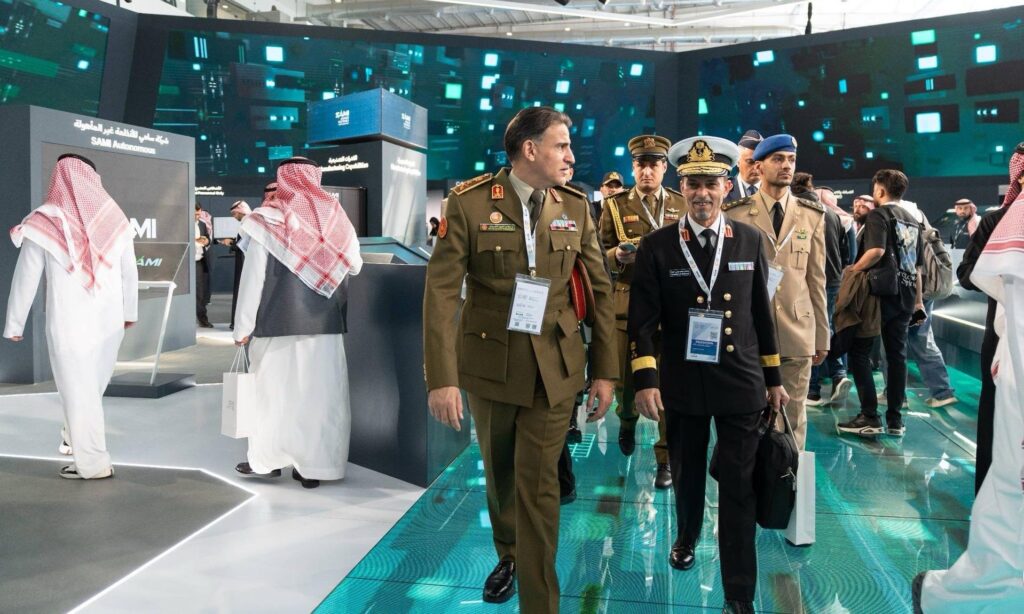
- Chief of Staff Salah al-Namroush participated in the World Defense Show 2026 in Riyadh (8–12 Feb). Coverage emphasized defense-industries exposure and engagement with emerging systems including air defense, drones, surveillance/communications tech, cybersecurity, and AI-linked military applications. Participation was framed as supporting Libya’s military presence in international defense forums.
- Calm returned to Janzour (west of Tripoli) after overnight armed clashes between state-recognized armed groups. The report described restoration of calm after violence that caused material impacts and civilian concern. Libya’s western-based General Staff issued a statement strongly condemning the prior day’s Janzour clashes and stated those responsible would be held accountable. The statement framed the incident as a violation of military order and emphasized deployment of regular forces to establish control and protect civilians and property.
Governance and Politics
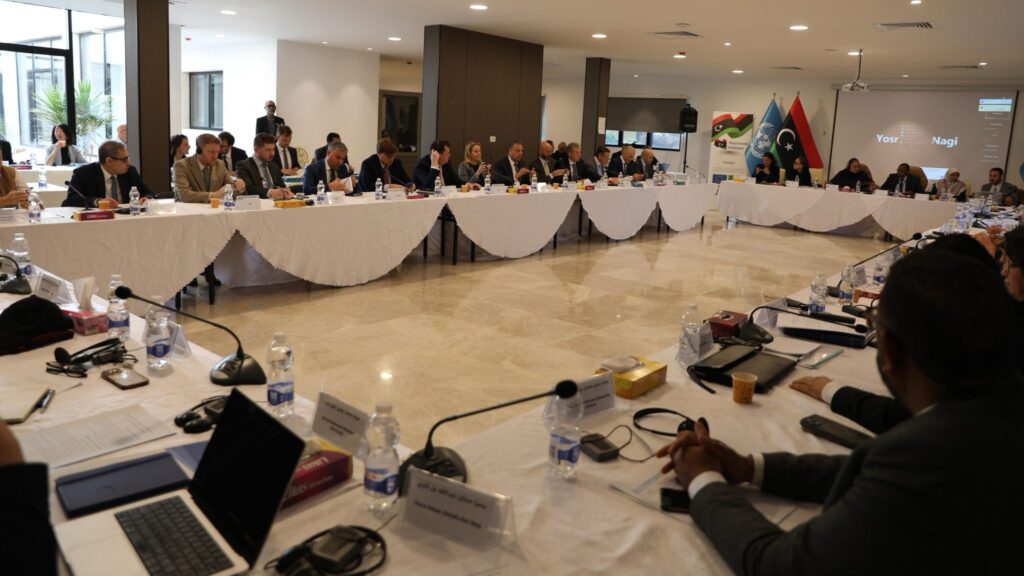
- UNSMIL reported that its economic track held a second official session over 8–12 February, focusing on Libya’s support/subsidy system, economic restructuring, and private sector stimulation. UNSMIL messaging highlighted risks of social tension if corrective measures continue to be delayed, and emphasized sequencing, social protection, and anti-smuggling/corruption measures as part of reform discussion.
- Libya’s Foreign Ministry announced the official signing of Libya’s participation contract for Expo Belgrade 2027, presented as a step to strengthen Libya’s international presence and participation in global economic and cultural forums. The signing took place at the headquarters of the Government of the Republic of Serbia in the capital, Belgrade. The Foreign Ministry said this move comes with direct support and guidance from the Tripoli based Libyan Prime Minister Abd Alhamid Aldabaiba, who said the step reflects the Libyan state’s orientation toward strengthening its international presence and consolidating its active participation in global economic and cultural forums. This signing embodies Libya’s commitment to active participation in this prominent international event and its keenness to present an honourable image that reflects its promising economic, investment, and cultural potential, as well as to highlight available opportunities and enhance prospects for cooperation and partnership with participating countries and international institutions.
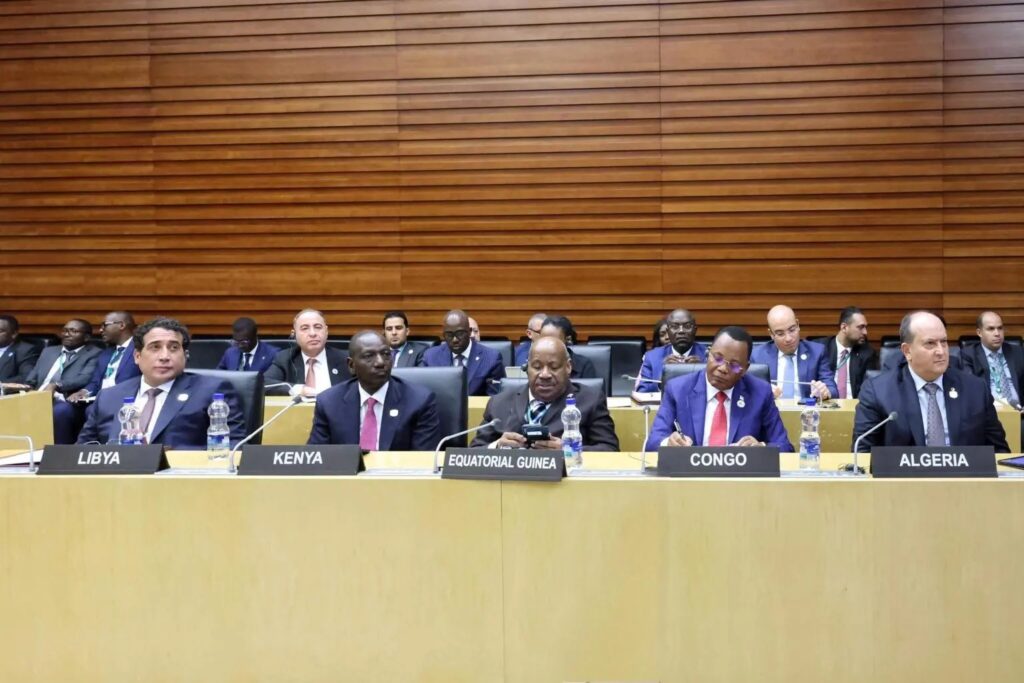
- The President of Libya’s Presidential Council of Libya, Mohamed al-Menfi, has renewed calls for comprehensive reform of the United Nations Security Council, declaring that Africa remains the only continent without permanent representation despite its growing global weight. Speaking during a special working session of the Committee of Ten on Security Council Reform in Addis Ababa, al-Menfi said Africa represents a pivotal human and economic force within the international system, yet continues to face structural exclusion at the highest level of global decision-making. The meeting forms part of ongoing African Union efforts to strengthen the continent’s presence and influence within the United Nations framework.
- Countries participating in the 52nd UNWTO Middle East Regional Commission meeting voted unanimously. They chose Libya to host the 53rd meeting.This decision was made during the Commission’s regular meeting. Kuwait hosted the event on Wednesday. Several tourism ministers from member states attended. The Secretary-General of the Gulf Cooperation Council, Jasem Mohamed Al-Budaiwi, was also present. Representatives from the United Nations World Tourism Organization participated. Tourism Minister, Al-Fazzani, made a statement on this occasion thanking the Government of National Unity for its continuous support. This support aids the tourism sector through the “Return to Life” project. The Minister affirmed that this vote enhances Libya’s regional and international standing. It aligns with positive indicators of tourism recovery in Libya. It also reflects renewed international confidence in Libya’s organizational and institutional capabilities.
Economy, Energy and Infrastructure
- Libya announced results of its first public oil and gas exploration bidding round in 17 years. Seven companies were successful across five plots. In a speech delivered on the occasion, the Chairman of the National Oil Corporation (NOC) Masoud Sulieman affirmed that this will lead to an economic revival that will guide the country towards stability and prosperity, while preserving Libya’s crude oil reserves for future generations. He added that the success of this round in attracting major international companies to invest in Libya is a step in the promising “Return to Life” project launched by the Tripoli based Libyan government, which is diligently overseeing its implementation and success.
- An economic report on Australian website “Discovery Alert” described Libya’s emergence as a major investment destination in the energy sector. According to the report: 2026 exploration licenses reflect unprecedented international confidence. Libya possesses significant energy resources. These resources are located in a region constrained by geopolitical instability. The report stated that energy companies are seeking to diversify their investment portfolios. They aim to move beyond traditional production areas. This shift reflects broader dynamics within the sector. The current investment round broke a nearly two-decade-long stagnation.

- Germany’s GTZ Libya reported last Thursday (12 February) that a Libyan delegation visited Egypt to advancing private sector engagement in Solid Waste Management. The visit was organised under the Support to Municipalities (SML III) Programme, and facilitated by the Arab Academy for Science, Technology and Maritime Transport, the University of Rostock, and GIZ, bringing together public authorities, academia, and private sector operators in Cairo and Alexandria. GIZ said the visit reaffirmed the vital role of structured private sector engagement in building efficient, accountable, and environmentally sustainable waste management systems. It also strengthened regional peer learning and institutional cooperation between Libyan and Egyptian stakeholders.