Security and Stability
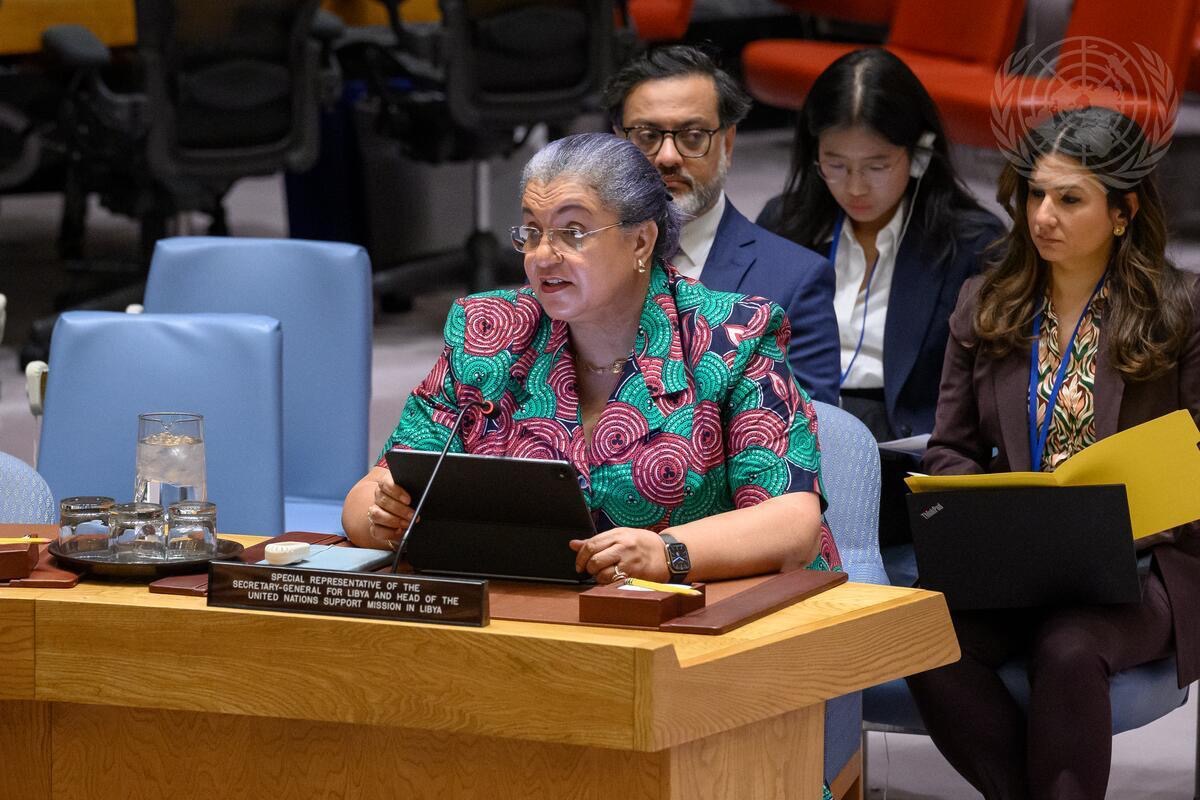
- UN Special Representative Hanna Tetteh briefed the Security Council that the House of Representatives and the High Council of State have made no progress on the UN roadmap. She stated both bodies failed to agree on forming the High National Elections Commission board and amending electoral laws. UNSMIL plans to appoint a small mechanism to resolve these two steps if Libyan actors remain stalled. The warning signals continued institutional paralysis and rising risk of prolonged instability.
- U.S. representative Massad Boulos announced efforts to convene senior officials from eastern and western Libya to advance economic and military integration. He confirmed AFRICOM will conduct joint exercises in Sirte in April involving forces from both regions. The U.S. encouraged adoption of a unified budget and implementation of development agreements. The initiative reflects renewed U.S. engagement in unifying Libya’s divided institutions.
- The United Kingdom’s UN representative warned that Libya’s current situation is unsustainable and urged full participation in the UN political process. The UK reaffirmed support for UNSMIL’s four-track dialogue framework. British officials cautioned that non-participation by key stakeholders increases instability risks. The statement reflects growing international impatience.
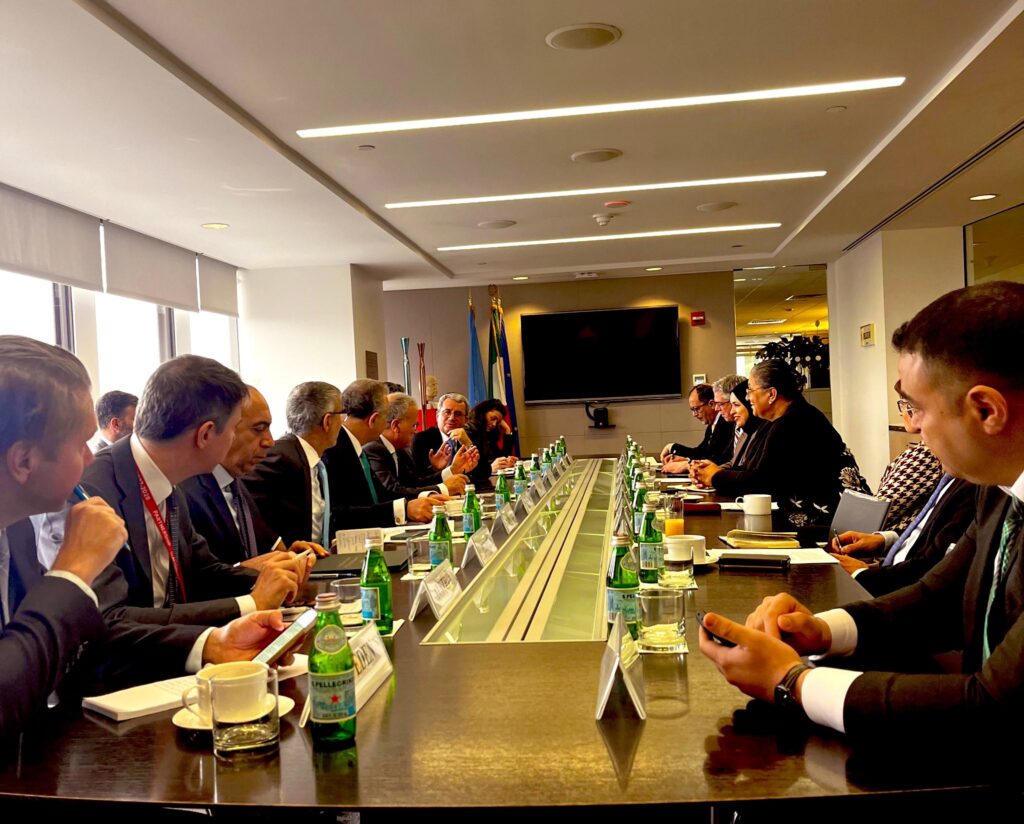
- Italy hosted a high-level UN donor meeting focused on Libya’s stability. Ambassador Maurizio Massari reaffirmed support for UNSMIL mediation. The meeting emphasized Mediterranean security implications. The initiative demonstrates sustained European diplomatic engagement.
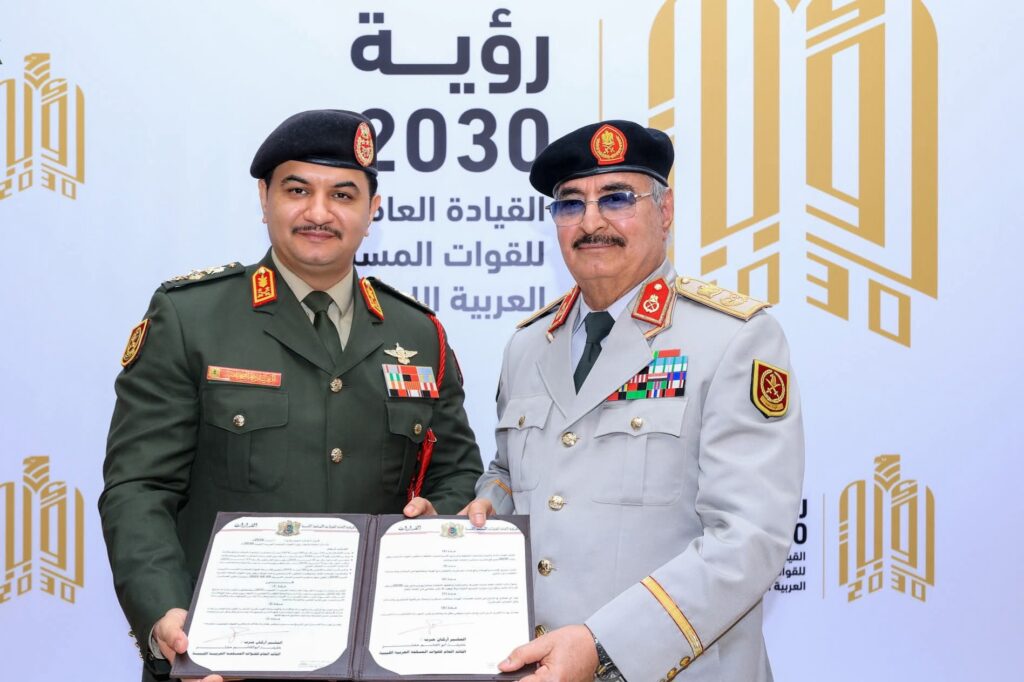
- Field Marshal Khalifa Haftar officially launched the “2030 Vision” military transformation plan in the presence of senior command leadership. The document outlines long-term institutional restructuring, modernization, and professionalization of the armed forces. Haftar described it as a strategic national project aimed at sovereignty protection and operational readiness. The initiative consolidates the General Command’s long-term military positioning.
- Malta deployed civil protection officers to assist Libya’s emergency authorities. The mission focused on geological assessment near Isbea and water sampling in Zuwara. Officials framed it as technical cooperation and resilience-building. The operation reflects modest but continued EU technical engagement.
- Authorities arrested a Libyan and an Algerian national in Sebha on cocaine trafficking charges. Seven kilograms of cocaine were seized following intelligence-led operations. The Public Prosecution coordinated further raids and account tracking. The operation highlights southern Libya’s continued vulnerability to transnational narcotics routes.
- Acting Interior Minister Emad Trabelsi chaired a meeting with regional security directors. He acknowledged operational constraints but cited improvements in criminal case resolution and homicide clearance rates. Security directorates reportedly continue operating under limited logistical capacity. The review underscores ongoing structural weakness in internal security institutions.
- The Illegal Immigration Combat Agency intensified patrols, checkpoints, and raids in Murzuk. Authorities stated the campaign aims to curb criminal activity and pursue wanted individuals. Security forces committed to extending operations in the southern region. The effort reflects continued instability in migration corridors.
- Political analyst Kamel Al-Marash emphasized Libya’s security importance for Egypt and praised General Saddam Haftar’s international engagements. He framed the Libyan National Army as central to resolving cross-border threats. The commentary reflects narratives supporting eastern military legitimacy.
Governance and Politics
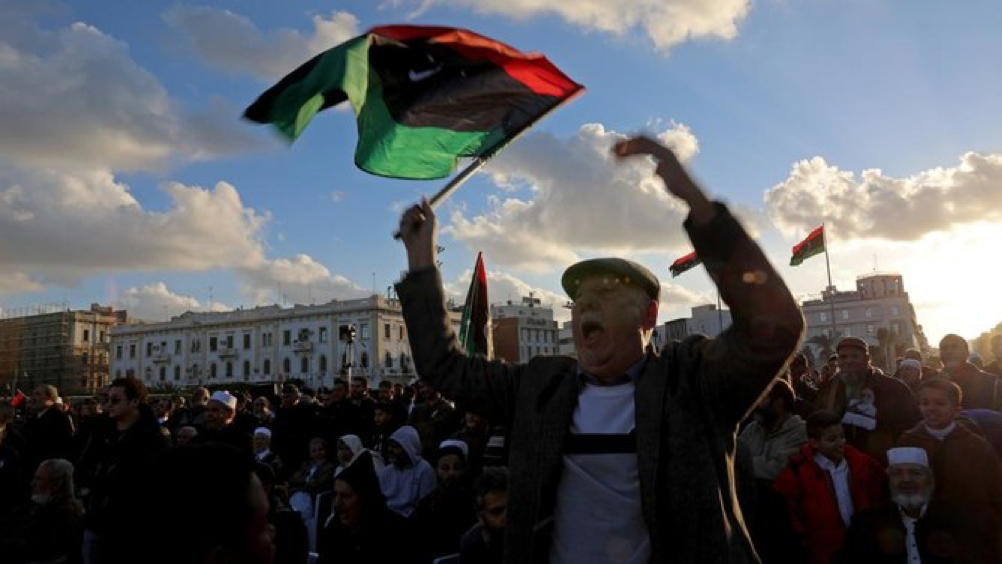
- Deputy Defense Minister Abdel Salam Zoubi issued a commemorative statement marking the 15th anniversary of the 17 February Revolution. He praised sacrifices made in overthrowing the previous regime. The statement carried symbolic importance but limited operational impact.
- Presidential Council Head Mohammed Al-Menfi issued a decision extending the tenure of ambassadors and representatives abroad until further notice. The move was justified as safeguarding state interests internationally. The action reflects efforts to maintain diplomatic continuity amid internal discord. The decision triggered objections regarding decision-making procedures. Deputy Presidential Council member Musa Al-Koni accused Al-Menfi of issuing unilateral decrees without collective approval. He cited Decree-Law No. 1 of 2026 as an example of procedural overreach. Al-Koni warned that bypassing collective mechanisms threatens institutional legitimacy. The dispute signals internal fragmentation at the executive level.
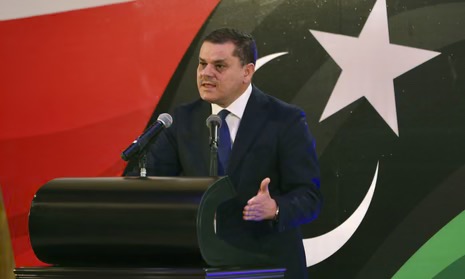
- Libya’s Prime Minister Abdulhamid Dbeibah said on Tuesday he would announce a long-anticipated cabinet reshuffle at the next meeting of his Government of National Unity (GNU), as he faces mounting political and security challenges in western Libya and renewed efforts to end the country’s institutional split. Speaking on the anniversary of the February 17, 2011 uprising that toppled longtime ruler Muammar Gadhafi, Dbeibah said the reshuffle was needed to fill vacant posts and “inject new blood” into the administration. Presidential candidate Suleiman Al-Bayoudi accused PM Dbeibeh of diverting public anger through populist rhetoric. He cited inflation, currency decline, and fuel shortages as indicators of mismanagement. The criticism reflects deepening socioeconomic frustration.
- An investigative analysis revisited the failed 2021 elections, citing flawed legislation and disputed candidacies. Former UN official Stephanie Williams attributed collapse to defective electoral laws. The report warned of repeating past mistakes in future processes. The publication reinforces concerns over structural electoral design flaws.
- Foreign Minister Abdul Hadi Al-Huweij met Guinea-Bissau officials to discuss religious and cultural cooperation. Talks focused on moderate religious discourse and educational collaboration. The meeting carried symbolic diplomatic value.
- The Minister of African Affairs, Advisor Issa Abdul Majeed, proposed organizing a regional conference on border security coordination. The initiative seeks policy alignment among neighboring states. It aims to strengthen Libya’s role in continental security frameworks. The proposal remains in consultation phase.
Economy, Energy and Health
- Three employees at the Islamic Bank branch in Misrata were detained for allegedly embezzling 1.23 million dinars through forged transfer requests. Six bank accounts were frozen to track financial flows. The case highlights vulnerabilities in electronic banking oversight. It signals ongoing anti-corruption enforcement efforts.
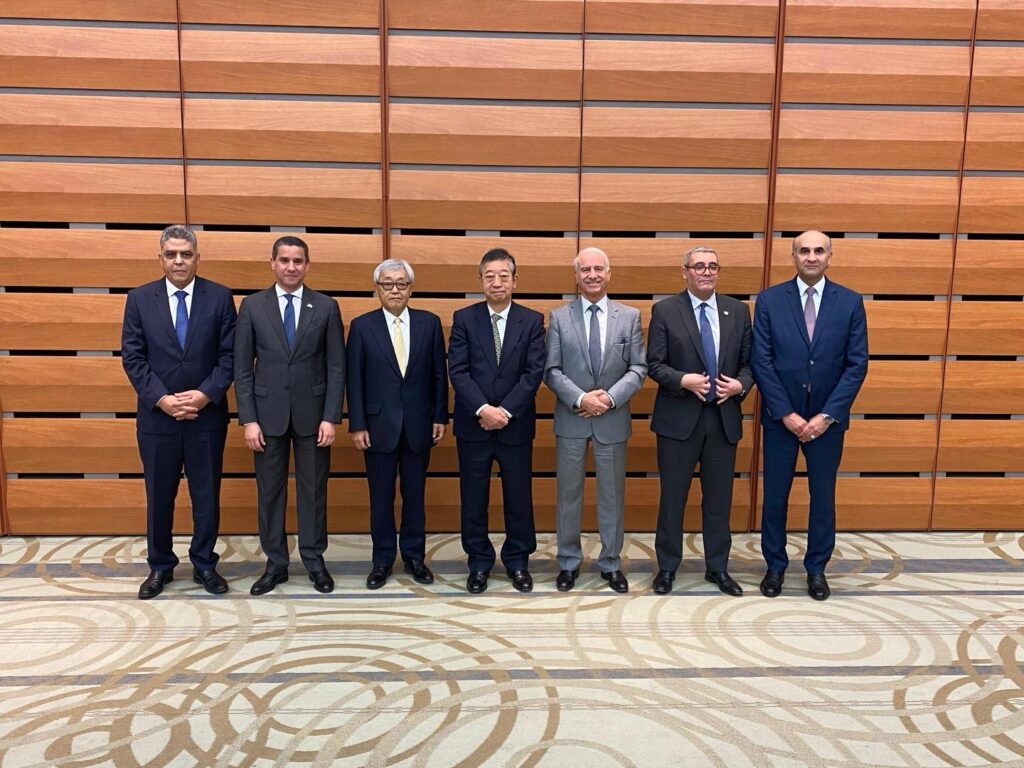
- Libya’s Chargé d’Affaires in Japan met with the Japan Business Federation to encourage investment return. Discussions highlighted improved security and economic conditions. The initiative aims to reactivate Japanese private sector engagement. The outreach reflects economic diversification efforts.
- Under instructions from Field Marshal Haftar, a committee was formed to address fuel shortages and food distribution disruptions. The body is tasked with implementing urgent measures to reduce congestion and prevent violations in supply chains. The move indicates continued military involvement in civilian service management. It also reflects persistent economic pressure on households.
- The World Health Organization announced Libya has eliminated trachoma as a public health problem. Libya becomes the 28th country globally to achieve this milestone. WHO described it as a significant regional public health success. The achievement enhances Libya’s international health standing.