Security and Stability
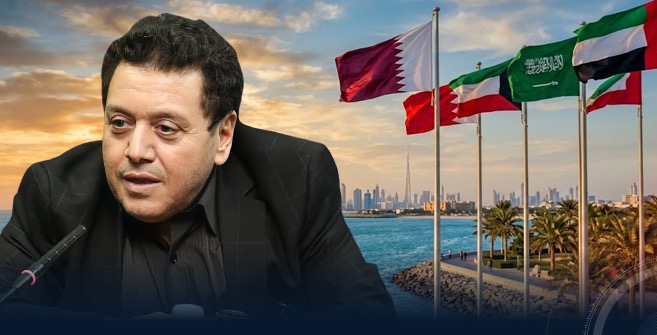
- Muhammad Omar Baiyo, head of the Libyan government’s media institution, wrote on his personal Facebook page, “We stand in full solidarity with our brothers in the UAE, Saudi Arabia, Kuwait, Bahrain, and Qatar. They face aggression from the Mullahs’ regime. America and Israel strike it. Then it bombs Arabs. This confirms it has lost its mind.” Baiyo added, “Anyone who supports the Mullahs’ regime as it bombs Arab capitals and cities must review themselves. They must review their mind, their thoughts, and perhaps their Arab affiliation. Respect is given to opposing views. However, in such fundamental matters, disagreement is not permissible.”
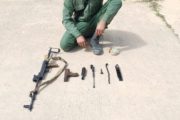
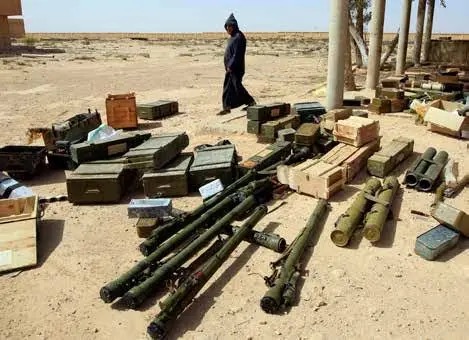
- A combined force of Libyan and Chadian security units confiscated significant quantities of heavy weapons, including surface‑to‑air missiles, in a joint operation near the southern border. Commanders from both sides created a joint operations room with air surveillance to tighten control over the porous desert frontier and curb cross‑border arms trafficking. The operation highlights attempts to stabilize border regions and reduce militant movement.
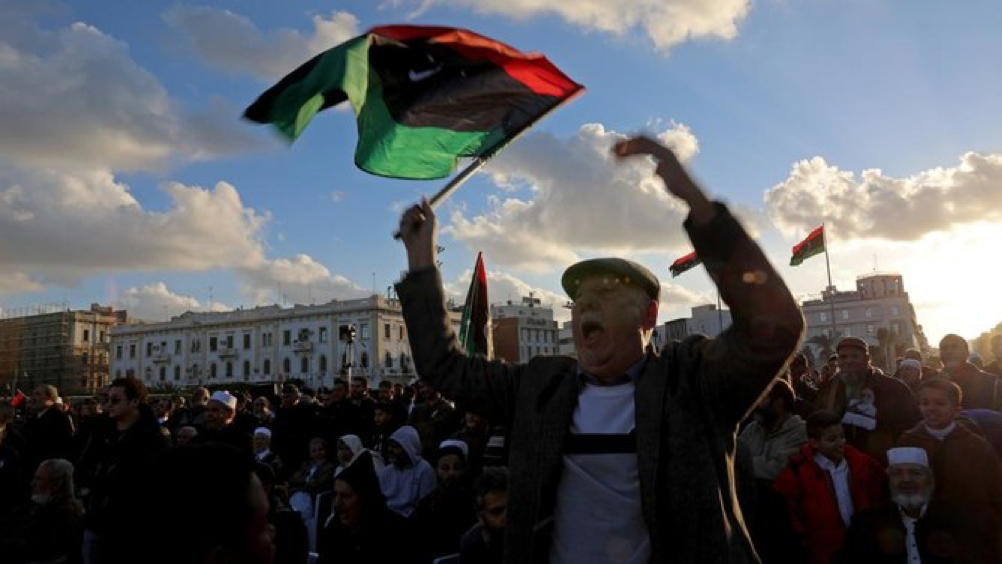
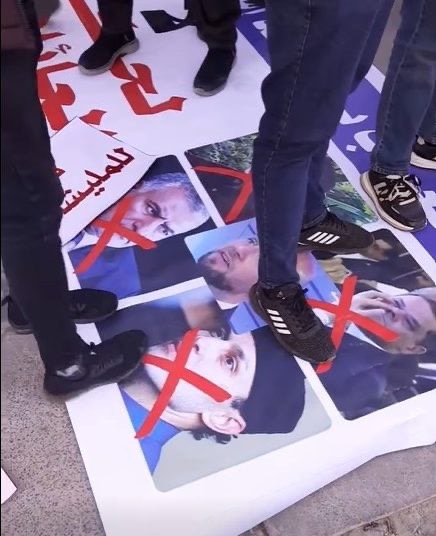
- Deteriorating economy and new import taxes triggered demonstrations in Zawia and Tripoli. Protesters demanded the resignation of the Government of National Unity (GNU), the House of Representatives (HoR), the High State Council and the Central Bank. In Tripoli, gunfire erupted near the Prime Minister’s office and militia clashes occurred as demonstrators burned and trampled placards of political leaders and called for elections and the removal of foreign forces. In Zawia, protests were largely confined to the city and included calls for the overthrow of all political bodies. The unrest underscores widespread frustration with deteriorating living conditions and the risk of violence in Libya’s political heartland.
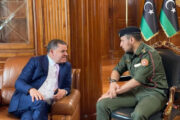
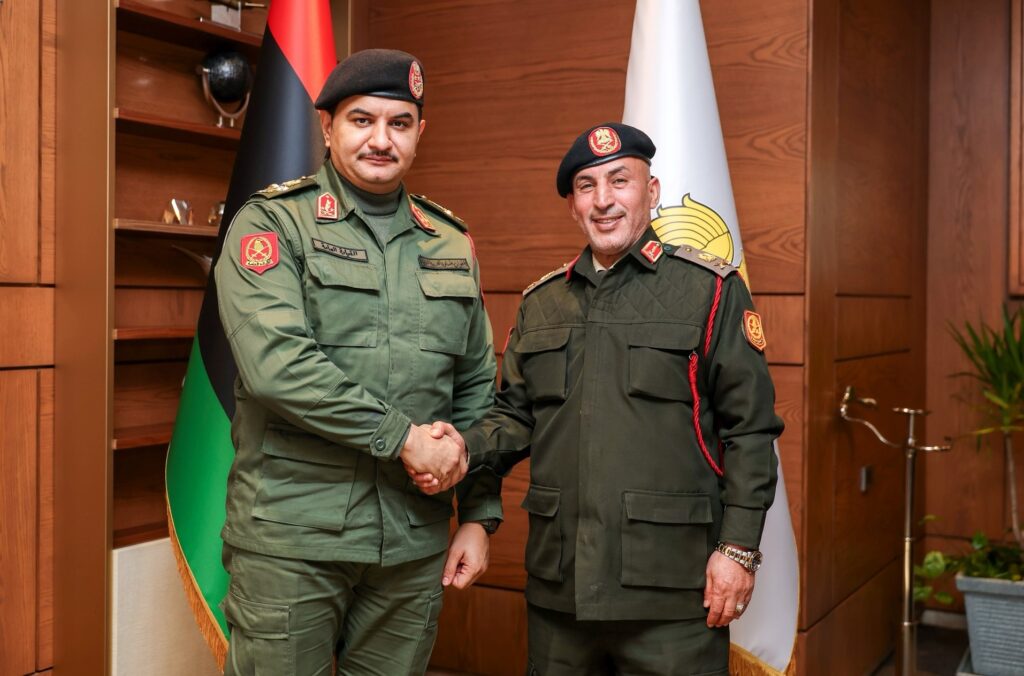
- The Deputy Commander-in-Chief of the Armed Forces, Staff General Saddam Haftar, met this saturday, at the General Command Headquarters in the city of Benghazi with the Head of the Military Housing Committee, Major General Ali Al-Qatani. Major General Al-Qatani briefed the Deputy Commander-in-Chief of the Armed Forces on the progress of the military housing project’s execution and its completion rates. The meeting also included a discussion of the programs and plans prepared to enhance the project’s workflow during the upcoming phase. Staff General Saddam Haftar emphasized the importance of intensifying efforts to alleviate suffering and improve the living conditions of military personnel across various cities and regions of Libya, in appreciation of their national role and sacrifices for the homeland.
- Political analyst Mohamed Qashout warned that Misrata is slipping into a “dangerous curve” due to extremist councils, pointing to the attack on the General Intelligence headquarters and the abduction of Brigadier Mustafa al‑Har. Qashout urged citizens to reject extremist groups to avert future “time bombs”.
- The Operations Room for the Liberation of Southern Libya reported fighting with forces aligned to Field Marshal Khalifa Haftar near the Nigerien border, leaving at least two of their fighters dead. The clashes reflect ongoing competition among armed groups for control of desert smuggling routes and demonstrate the fragility of security in Libya’s far south.
Governance, Economy, and Politics
- The Central Bank of Libya (CBL) has begun implementing a tax law issued by the House of Representatives (HoR), according to multiple sources, though the bank has yet to publish formal details. The measures introduce varying tax rates on imported goods. Staple food items are exempt, while some food products and raw materials face a 7% levy. On 26 January, the House of Representatives (HoR) said essential goods would not be subject to taxation. Its spokesman, Abdullah Bliheg, said other proposed taxes remain under review and would only be adopted if they support the national economy. An earlier proposal by the parliament’s economy committee suggested a tiered system ranging from 2% on basic goods such as food and medicine to 35% on luxury items, sparking debate among economists. The move comes as the Libyan dinar weakens on the parallel market, where the dollar has reached 10.29 dinars.
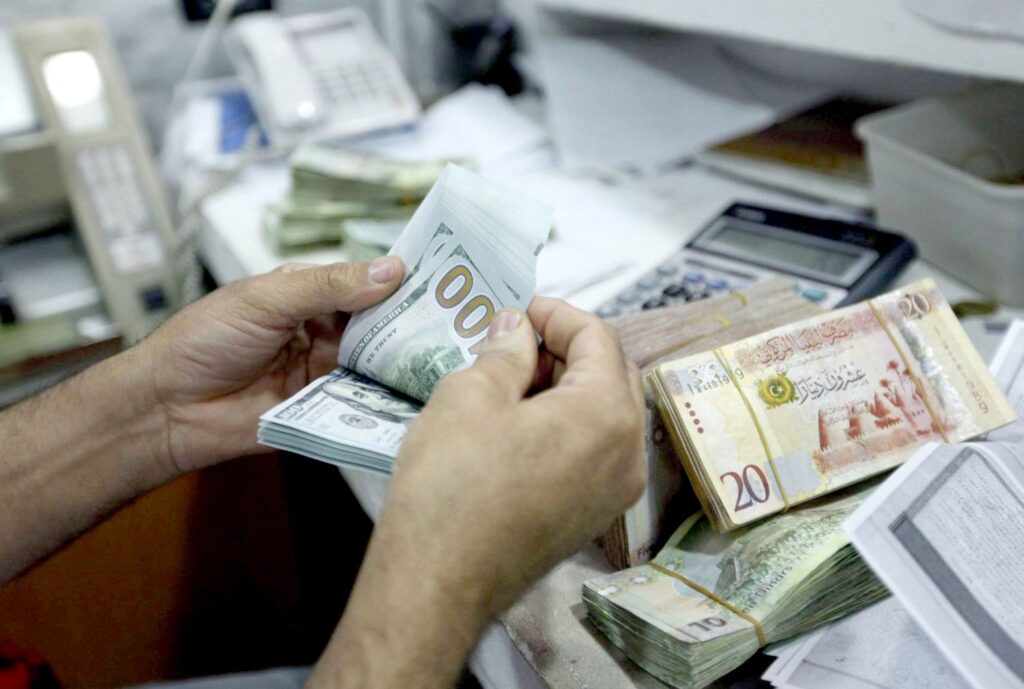
- A group of 107 HoR members issued a statement denying they had authorised the Central Bank of Libya to impose new import taxes and fuel levies. They argued that such decisions require a full HoR session, criticised the unilaterally introduced tax rates (0 % on staples and up to 40 % on tobacco), and highlighted the resulting plunge of the dinar beyond 10.50 per US dollar. At an extraordinary meeting, the Tripoli Chamber of Commerce, along with unions and business representatives, condemned the Central Bank’s import taxes and the HoR leadership’s economic policies. MP Essam Al‑Jehani criticised the Central Bank’s tax on goods, arguing that it lacked parliamentary approval and contributed to currency devaluation and inflation.
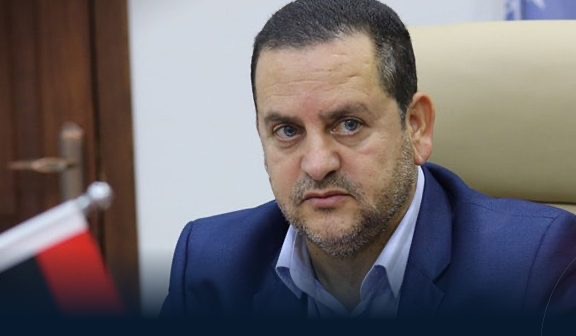
- The eastern Foreign Minister Abdul Hadi Al‑Hweij chaired the first meeting of the Secondment Affairs Committee in Benghazi. The committee reviewed policies governing the secondment of diplomatic staff and proposed categorizing missions (A, B and C) to rationalize expenditures and improve consular performance.
- The Supreme Judicial Council (SJC) decided to relocate key offices to Benghazi, creating parallel constitutional courts in Tripoli and Benghazi. The crisis traces back to 2022 legislation by the HoR replacing the Constitutional Chamber with a Supreme Constitutional Court, subsequent rulings by the Tripoli court invalidating HoR laws, and a counter‑decision by a Benghazi court nullifying Tripoli’s rulings. Analysts fear this east‑west split will undermine judicial legitimacy and exacerbate institutional division.
- Foreign Minister Abdul Hadi Al‑Hweij met the ambassador of Guinea‑Bissau to discuss opening a consulate in Benghazi and enhancing cultural and economic cooperation.
- Spain’s embassy announced that its BLS visa centers in Tripoli and Benghazi will begin processing national visas for study, residence and work. Previously the centers only issued Schengen visas; the new service expands consular cooperation and may facilitate educational and investment ties.
Economy and Energy
-
The National Oil Corporation (NOC) announced that output from the Al‑Mabrouk oil field in Sirte Basin rose to 25–30 thousand barrels per day after installing a new early production unit. It aims to reach 40 thousand barrels per day by the end of March.
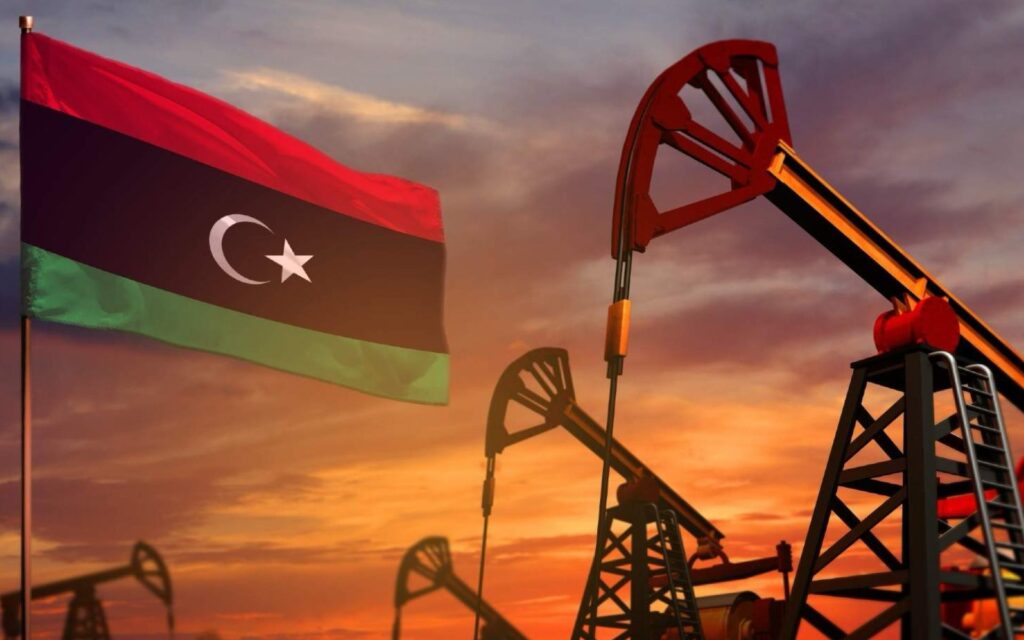
- Libyan engineers supervised by the Sirte Oil Company completed the country’s first horizontal well at the Al‑Luhaib field (T27‑13), producing about 1,870 barrels of light crude (61 API) daily. NOC Chairman Masoud Suleiman praised the achievement as a milestone for local technical capacity and directional drilling expertise.
- After more than three years offline, production at the Sinawun field in Nalut resumed. The field had been closed because of issues with the Hamada–Zawiya pipeline. The restart follows the pipeline’s restoration in October 2024, subsequent maintenance and technical planning, and aims to diversify supply and stabilize production.
- The Libyan Investment Corporation announced that its investment portfolio, valued at US$41.7 billion, produced returns of US$2 billion. It plans to invest unallocated funds into low‑risk instruments and re‑evaluate subsidiaries according to International Financial Reporting Standards. The announcement signals efforts to strengthen fiscal management amid economic turbulence.