NATIONAL SECURITY ISSUES
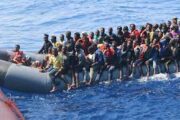
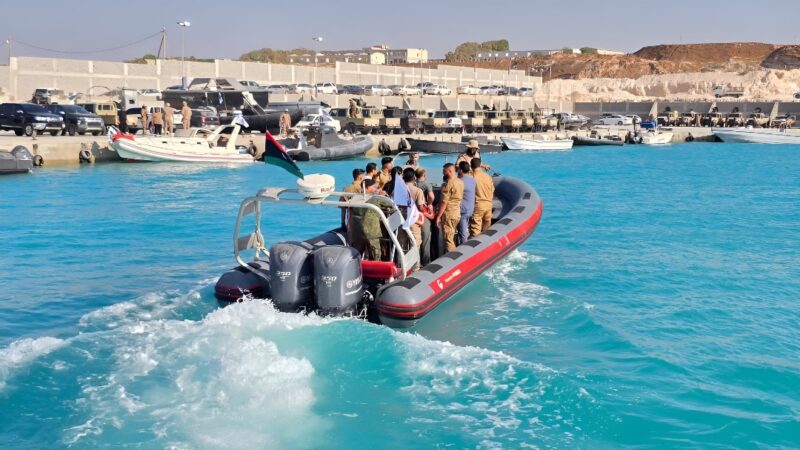
- The Stability Support Apparatus (SSA) has opened a new maritime post in the western city of Zawiya to be run by its Department for Combating Settlement and Illegal Migration, the agency said. SSA head Hassan Abu Zariba attended the opening along with senior officials, security personnel and local representatives. The facility will focus on monitoring and controlling migration by sea, with staff and equipment presented during the ceremony. The SSA said the post is part of wider efforts to boost security and tighten oversight of Libya’s land and maritime entry points.
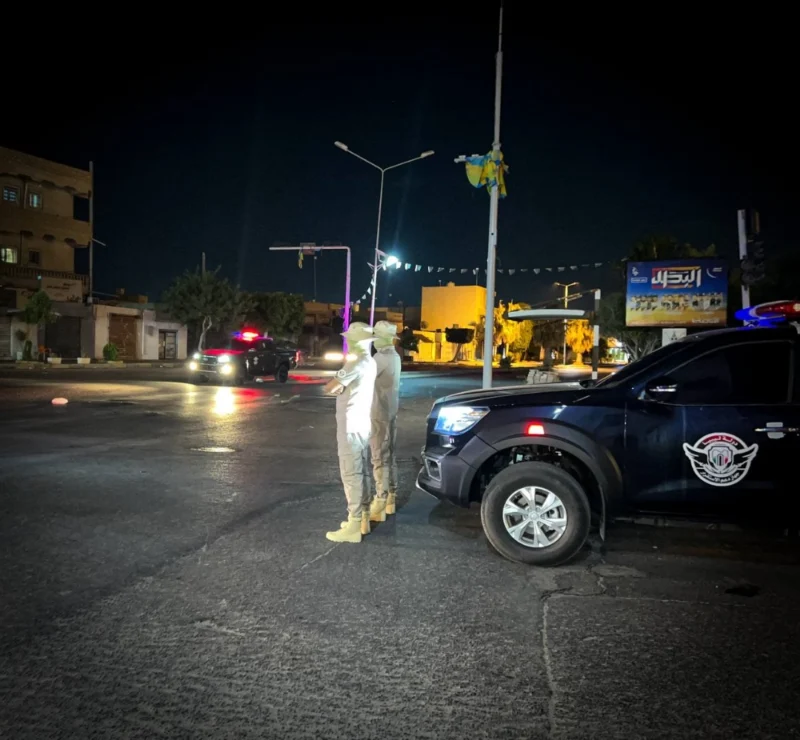
- As part of ongoing efforts to enhance public safety in the city of Zuwara, the Zuwara–Ras Ajdir office of the Stability Support Apparatus (SSA) has launched night-time patrols and activated security checkpoints across several districts in the city. The initiative aims to strengthen local security, curb violations, and ensure safe movement for residents during evening hours. Located on Libya’s western coast, Zuwara lies approximately 120 kilometres west of Tripoli and holds strategic importance due to its proximity to the Ras Ajdir border crossing with Tunisia. The SSA is a state-recognised security entity established by a Presidential Council decree in 2021. Its mandate includes supporting law enforcement, maintaining public order, and assisting relevant authorities in addressing criminal activity — all within the frameworks defined by official state institutions.
- Libyan financial authorities are calling for the swift passage of new legislation aimed at curbing money laundering and terrorism financing, warning that further delays could expose the country to economic isolation and reputational harm on the international stage. The National Committee for Combating Money Laundering and Terrorism Financing, chaired by Central Bank Governor Naji Issa, said international watchdogs have flagged signs of suspicious financial activity potentially passing through Libyan institutions. In response, the committee is urging lawmakers and state institutions to move quickly in adopting a long-delayed draft law designed to align Libya’s regulatory framework with global standards. In a statement released this week, the committee said that failure to act could lead to increased scrutiny from international partners, damaging Libya’s credibility and weakening access to global financial markets.

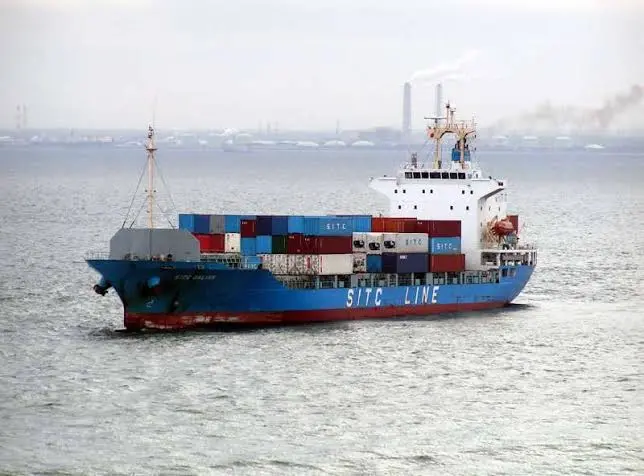
- A Panama-flagged cargo ship reportedly carrying hundreds of military armoured vehicles en route to eastern Libya was intercepted in Greece before being allowed to continue its journey to the western port of Misurata, according to a detailed investigation by the Greek newspaper To Vima. The vessel, named AYA1, departed from Jebel Ali port in Dubai after arriving from India. On its way to Libya, it was initially stopped by a Dutch frigate operating under the European Union’s Operation IRINI, the naval mission tasked with enforcing the UN arms embargo on Libya. Control of the ship was later transferred to the Italian navy frigate ITS Morosini, which escorted it to the Greek port of Astakos. Upon arrival, the vessel was detained and searched. Although the cargo manifest listed cosmetics, cigarettes and electronic goods, initial inspections reportedly uncovered over 350 armoured vehicles and other military equipment on board. According to To Vima, the ship was initially destined for territories controlled by General Khalifa Haftar in eastern Libya. However, after diplomatic intervention by Greece’s Ministry of Defence and Ministry of Foreign Affairs—and following the personal involvement of Prime Minister Kyriakos Mitsotakis—the vessel was eventually cleared to depart.
NATIONAL POLITICS AND SOCIAL ISSUES
- The Joint Committee (6+6) and the Libyan Advisory Committee have agreed on the need to amend Libya’s constitutional and legal framework to facilitate inclusive presidential and parliamentary elections. The agreement follows two days of closed-door consultations held under the auspices of the United Nations Support Mission in Libya (UNSMIL). Both bodies underscored that revising the Constitutional Declaration and overhauling electoral legislation are fundamental to resolving the country’s prolonged political stalemate. They also highlighted the urgency of forming a unified government with a clear electoral mandate, alongside local and international guarantees to restore public confidence and legitimacy. The 6+6 Committee expressed support for the Advisory Committee’s recommendations issued on 5 May and pledged to integrate them into the legal review process to ensure a more practical and consensus-driven electoral framework.
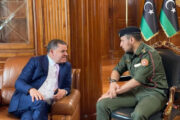
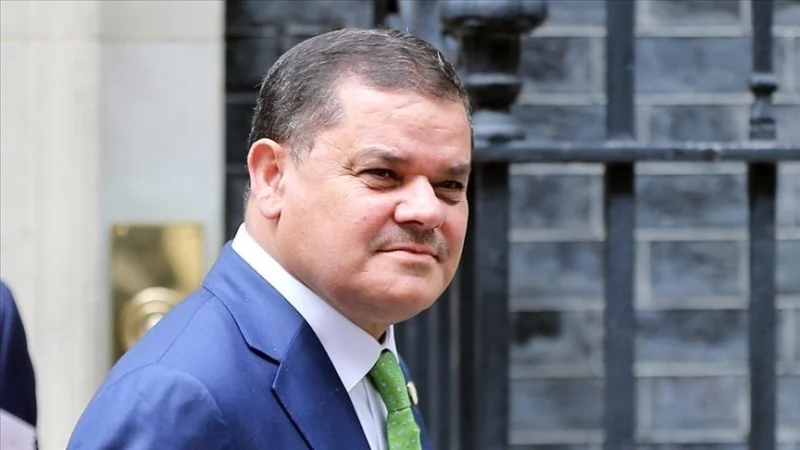
- Prime Minister Abdul Hamid Dbeibeh took part in a trilateral summit in Istanbul with Turkish President Recep Tayyip Erdoğan and Italian Prime Minister Giorgia Meloni, where discussions focused on regional cooperation, security, migration, and Libya’s political transition. Dbeibeh presented Libya’s ongoing security campaign targeting armed groups operating outside the authority of the state. The operation, underway in Tripoli and other regions, aims to dismantle parallel power structures that have long obstructed sovereign institutions. He stressed that this campaign reflects a long-term political and security strategy to restore the rule of law and protect the functioning of state institutions from intimidation and interference. To enhance coordination, Dbeibeh proposed a four-party ministerial platform that includes Libya, Türkiye, Qatar, and Italy—focusing on joint efforts in security, logistics, and regional development.
- A trilateral summit is taking place today, Friday, 1 August 2025, in Istanbul, bringing together Libyan Prime Minister Abdul Hamid Dbeibeh, Turkish President Recep Tayyip Erdoğan, and Italian Prime Minister Giorgia Meloni. The meeting, confirmed by diplomatic sources and reported by regional and international media, is expected to focus on a number of regional issues of mutual concern. The discussions are centred on economic cooperation across the Mediterranean, joint energy development—including offshore oil and gas exploration—and irregular migration, a topic of shared interest to all three governments. Efforts to coordinate infrastructure investment and enhance regional stability are also on the agenda. Libya’s participation in the summit comes amid growing interest from international partners in re-engaging with the country’s economic sectors, particularly energy and transport.
INTERNATIONAL RELATIONS
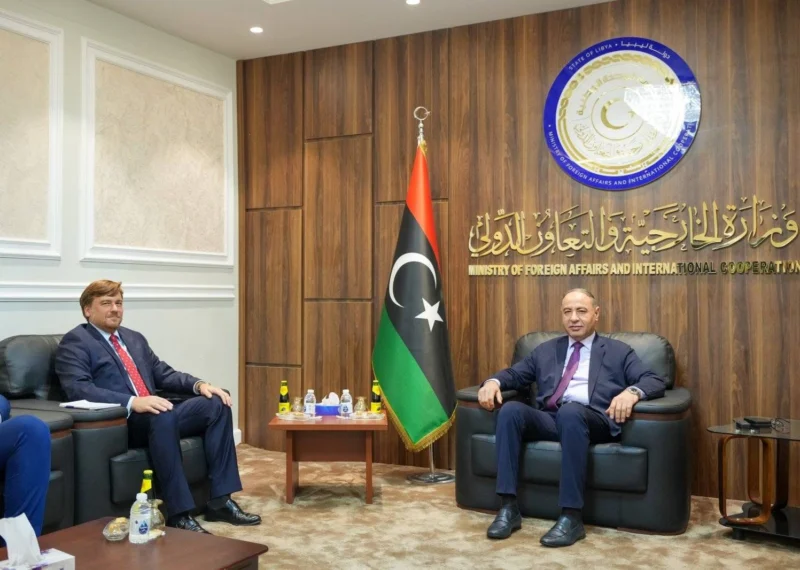
- Libya’s Acting Minister of Foreign Affairs and International Cooperation, Taher Al-Baour, met on Wednesday with Spanish Ambassador Javier Lara to discuss deepening bilateral ties between Tripoli and Madrid. The meeting, held at the Ministry’s headquarters in the capital, was also attended by Abu Bakr Al-Taweel, Director of the European Affairs Department. Discussions centered on expanding cooperation across key sectors and aligning future initiatives with the shared interests of both countries. Al-Baour praised Spain’s continued diplomatic engagement in Libya and acknowledged its support for the UN-led political process. He reaffirmed the Government of National Unity’s commitment to building stronger economic and political partnerships with Madrid. Ambassador Lara expressed Spain’s readiness to strengthen cooperation and contribute to Libya’s efforts toward political stability and development. He reiterated Spain’s interest in maintaining close diplomatic coordination as Libya seeks to restore institutional unity and attract international investment. The meeting comes amid ongoing outreach by the Foreign Ministry to strengthen engagement with accredited diplomatic missions and foster broader international cooperation.