NATIONAL SECURITY ISSUES
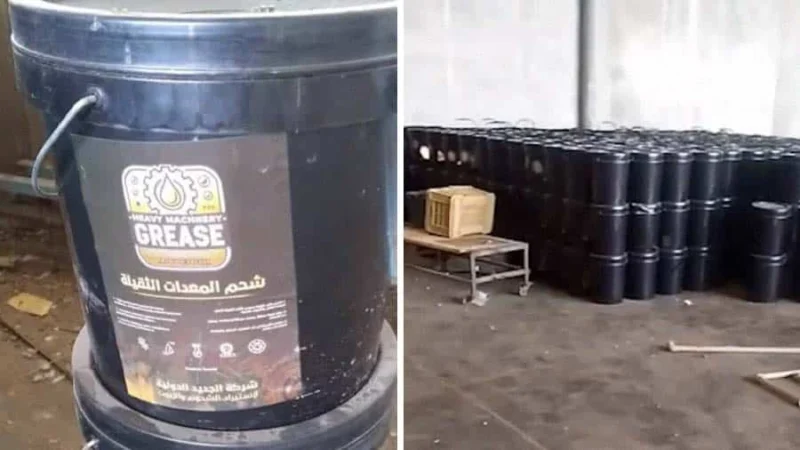
- The Office of the Public Prosecutor has announced the successful dismantling of a major fuel smuggling operation in the coastal city of Misurata, located about 187 kilometers east of Tripoli. The operation led to the seizure of a warehouse stocked with large quantities of fuel and the arrest of three suspects. According to an official statement, the confiscated fuel was stored in depots carrying falsified documentation designed to conceal the illicit nature of the shipments and evade legal inspection. The operation followed extensive investigations and the implementation of precautionary measures to secure all assets found inside the warehouse. This latest crackdown comes as part of a wider campaign against illegal fuel trade. In recent weeks, thousands of liters of smuggled fuel were seized during coordinated raids targeting locations used for the unlawful sale of fuel within the jurisdictions of Al-Khums and Misurata Courts of Appeal.
NATIONAL POLITICS AND SOCIAL ISSUES
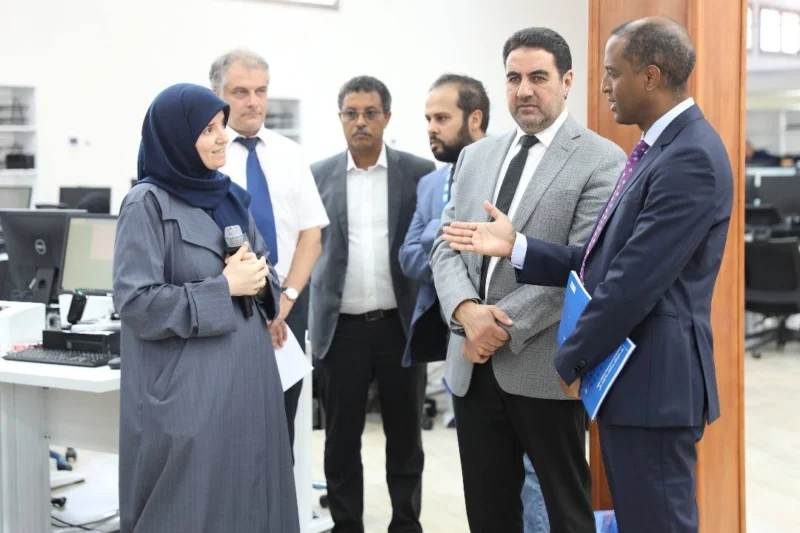
- Member of the Electoral Commission (EC) Abdulhakim Al-Shaab met on Wednesday with the deputy resident representative of the United Nations Development Programme (UNDP), Mohammed Saleh, to discuss preparations for Election Day, set for August 16. According to the Commission, the meeting focused on ways the UNDP can provide support to ensure the electoral process runs smoothly and reflects the aspirations of voters. The visit included a field tour of the Counting and Statistics Center to review its readiness, inspect equipment, and observe the training provided to staff for processing ballot data ahead of the announcement of results.
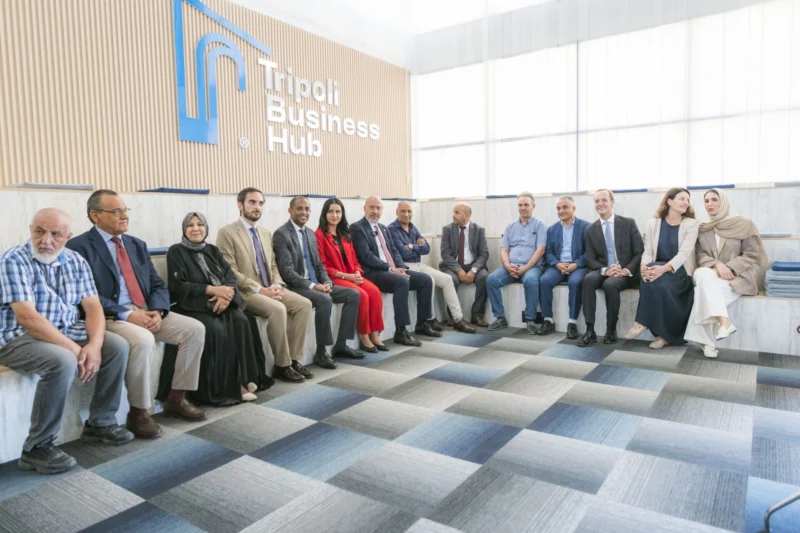
- The Tripoli Business Hub, officially opened, is managed by Tripoli Centre Municipality with backing from the European Union, Italy, and the United Nations Development Programme (UNDP). The facility offers co-working spaces, mentoring, networking, and training programmes, with a particular focus on young people, women, and returning migrants. Mayor Ibrahim Alkhalify described the hub as “a space for youth creativity”, while UNDP’s Mohammed Salih stressed the role of entrepreneurship in rebuilding and diversifying Libya’s economy.
INTERNATIONAL RELATIONS
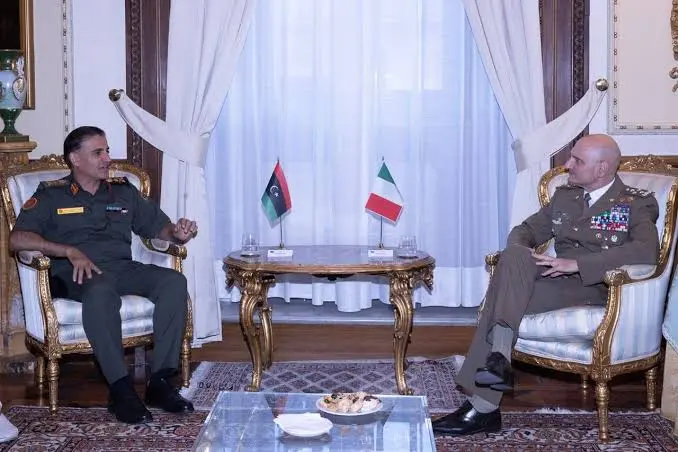
- The deputy chief of staff of the Libyan Army, Salah Al-Din Al-Namroush, has met with Italy’s military attaché to Libya, Colonel Francesco Marino, to discuss ways of strengthening cooperation in various military training fields. According to a statement issued Wednesday by the Western Coast Military Region, the talks also addressed potential Italian support for enhancing the capabilities of Libya’s naval and special forces. The meeting follows similar discussions on August 5, when Al-Namroush met with the British military attaché to Libya, Colonel Matt Ketterer, to explore advancing joint cooperation in training. Both engagements are part of broader efforts to support the development and modernisation of Libya’s military institution.
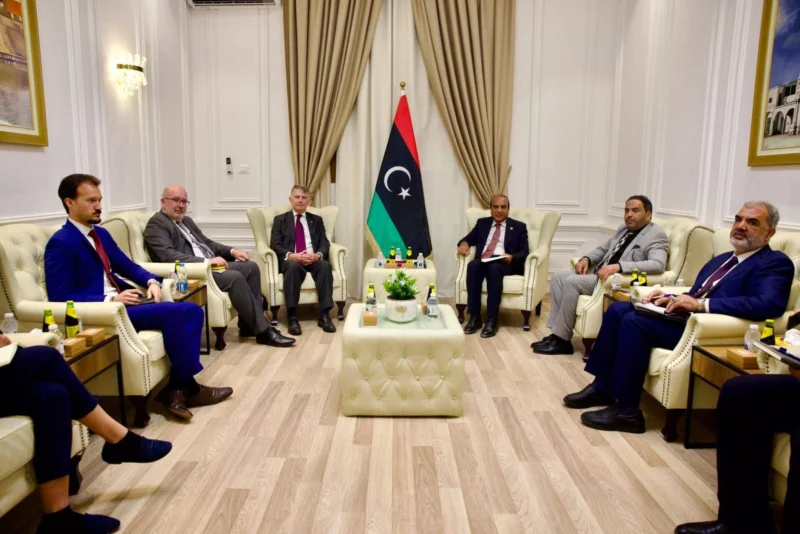
- Abubaker Al-Taweel, Director of European Affairs at Libya’s Ministry of Foreign Affairs, welcomed Owen Jenkins, Director-General for the Indo-Pacific and the Middle East and North Africa at the British Foreign Office, for discussions aimed at strengthening cooperation and improving services for Libyans at home and abroad. A central focus was the reopening of the British consulate in Tripoli—an initiative that would allow Libyan citizens to apply for U.K. visas directly in the capital. Officials also reviewed efforts to lift the European ban on Libyan civil aviation, which would restore the country’s ability to operate international flights and bolster economic and cultural exchange.
- At Benghazi’s Benina Airport, Minsk now appears on the departures board more often than it once did: two flights in May, five in June, and four in July. According to The Telegraph, these flights are operated by Belavia Airlines — the same Belarusian carrier at the centre of the 2021 border crisis, when thousands of migrants were flown into Minsk and pushed towards Poland and Lithuania. That episode, described by EU leaders as a “hybrid attack,” forced Europe into emergency diplomacy and left a lasting mark on its migration policy. This time, the route begins in eastern Libya — a region with unsettled politics, porous desert borders, and a pivotal position on the Mediterranean migration map. “It doesn’t take many flights to change the equation,” one EU migration official told the British paper.