NATIONAL SECURITY ISSUES
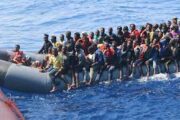
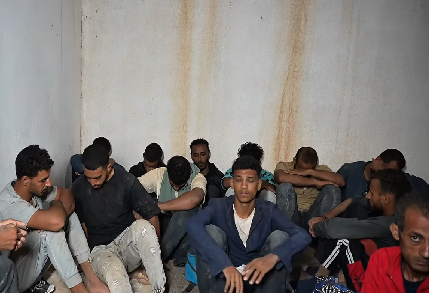
- The Joint Security Chamber in Butnan, in cooperation with field forces, carried out a specialized operation to pursue smuggling networks and dry up the sources of illegal immigration, resulting in the arrest of 50 illegal migrants of Egyptian and Bangladeshi nationalities, and the foiling of their smuggling plan via the Libyan coast. The operation came after receiving precise information about the suspicious movements of a group of illegal migrants. The force proceeded to the al-Aziyat area, about 100 kilometers west of the city of Tobruk, and began to sweep the location, which was found to contain a secret den and sheep pens used to hide the migrants from the security services.
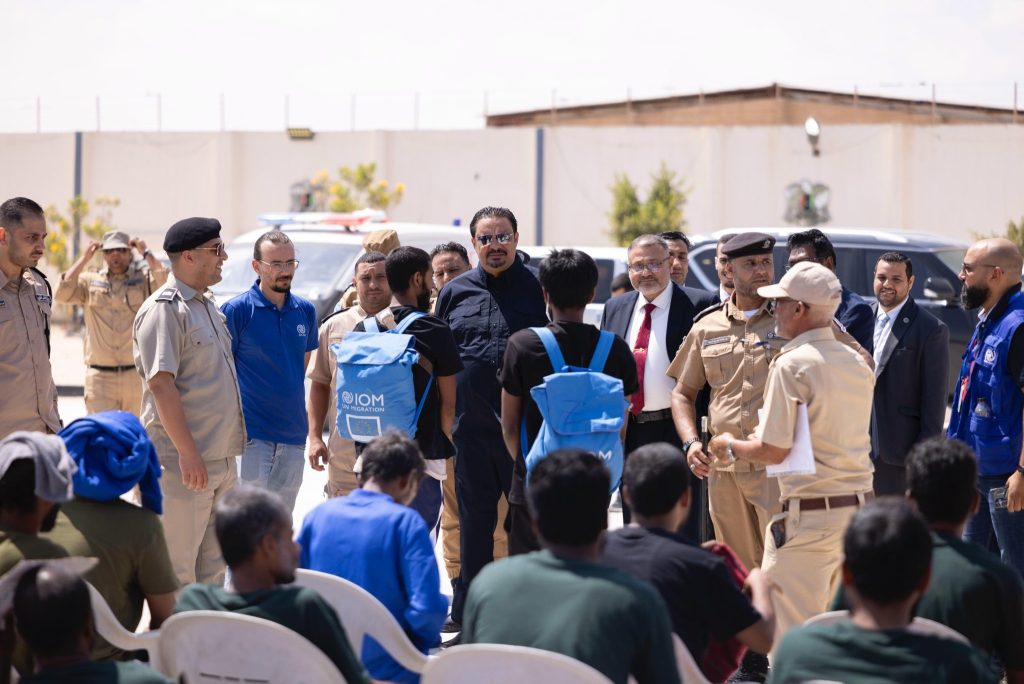
- As part of the cooperation between Libya’s Directorate for Combating Illegal Migration and the Consulate General of Bangladesh, 175 irregular migrants of Bangladeshi nationality have been deported via Benina International Airport.The deportation, carried out in cooperation with the International Organization for Migration (IOM), was part of a security plan in the city of Tobruk. It included migrants apprehended while attempting to sail illegally, in addition to other cases for health and security reasons. In a related context, both parties agreed to expedite the issuance of travel documents for the remaining group of 100 migrants, in preparation for their deportation within a week.
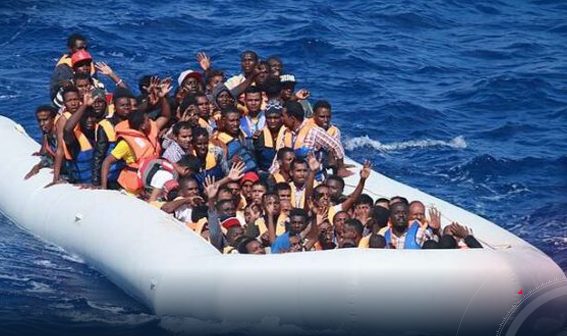
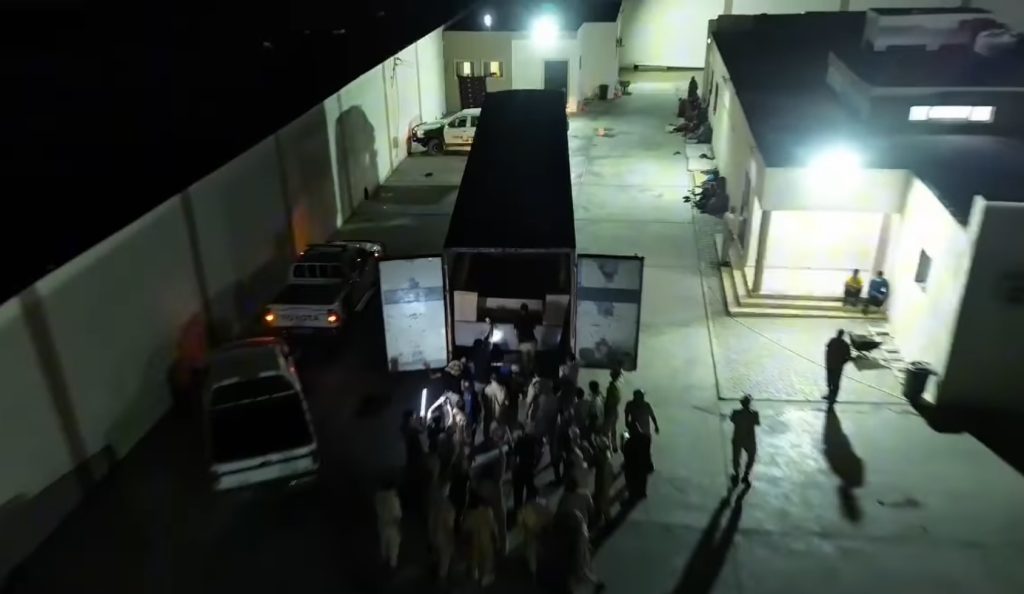
- The security force of the Joint Security Room in Batnan managed to thwart a smuggling attempt across the sea, and seized large quantities of supplies that were prepared for an illegal journey, during a qualitative and extended security operation. The operation was carried out in accordance with the directives of Major General Salah Mahmoud al-Khafifi, head of the security room in Batnan, and based on a solid plan to track human smuggling networks and illegal routes. The security force carried out intensive field monitoring and follow-up operations that lasted for 48 continuous hours, centred on the Umm al-Shawsh Bay area, south of Bab al-Zeitoun, east of Tobruk. The efforts resulted in the seizure of a large truck parked near the beach, inside which an 11-metre-long wooden boat was found, fully equipped for use in smuggling illegal migrants across the Mediterranean Sea.
- Europe and Libya need to radically change their current policies on irregular migration by building a completely different partnership from the current approach, according to an analytical report published by the European website EURACTIV. Criticising existing partnerships, the report explains that the existing partnership has enabled human traffickers to exploit the status quo, noting that sophisticated smuggling networks, supported by foreign sponsors and protected by the de facto authorities in Libya, are secretly thriving on Libya’s coasts. European Red LinesThe report calls on Europe to draw a clear red line that it will not cooperate with any entities involved in human trafficking or human rights violations, stressing that any future partnership must be conditional on transparent governance and verifiable respect for human rights.
- The head of the Green Mountain branch for Combating Illegal Migration, Brigadier General Ramzi Ramadan Al-Hassi, stated that the agency continues its work in accordance with Law No. (19) of 2010 concerning combating illegal migration, which includes 14 articles. However, he noted that the law is outdated and does not keep pace with developments in organized crime. Therefore, the agency seeks to submit a proposal to the Ministry of Interior to update it and raise it to the House of Representatives in order to toughen the penalties for smugglers. In statements to the Libyan News Agency “LANA,” Al-Hassi explained that the law focused on punishing the illegal immigrant, while only imposing a fine and a short prison sentence on the smuggler, despite the latter being the primary driver of the crime. This necessitates a comprehensive review of the current texts.
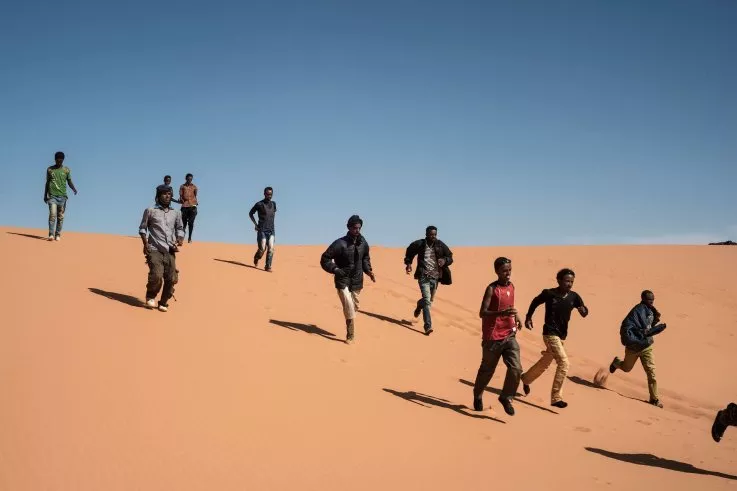
- Nigerian authorities have voiced deep concern over the plight of thousands of citizens trapped in Libya, describing the situation as “extremely alarming.” Abike Dabiri-Erewa, Chair of the Nigerians in Diaspora Commission (NIDCOM), revealed on Thursday that at least 7,000 Nigerians remain stranded in Libya. She was speaking at the launch of the International Organization for Migration’s (IOM) Nigeria Strategic Plan (2025–2027) in Abuja, although she did not specify why their repatriation has been delayed. “It is disturbing that in 2025, people are still embarking on perilous journeys through the desert only to die,” Dabiri-Erewa said, expressing regret over the persistence of irregular migration along dangerous routes. She urged stronger collaboration among stakeholders to address the root causes of migration and to create safer, legal alternatives for young Nigerians seeking work abroad. At the same event, the IOM underlined Libya’s central role in irregular migration across the Mediterranean, noting that 90% of migrants attempting to reach Italy’s shores depart from Libya.

NATIONAL POLITICS AND SOCIAL ISSUES
-
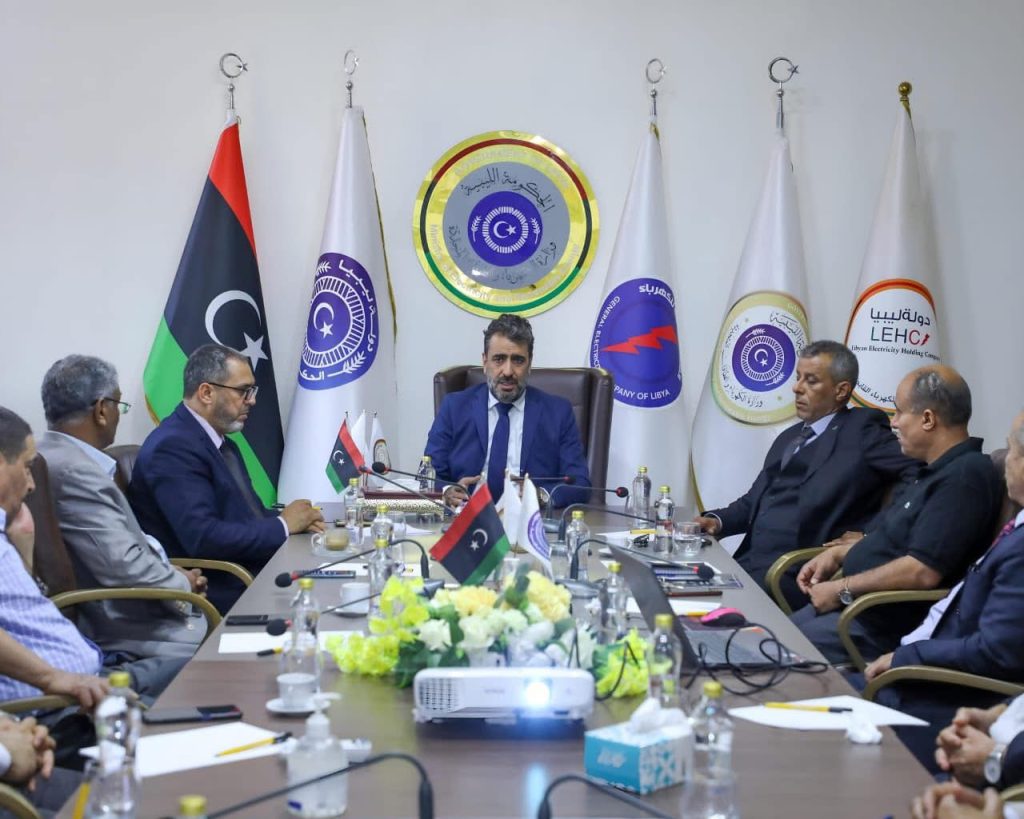
Libya’s Ministry of Electricity and Renewable Energy has held a strategic meeting with Germany’s H2 Global to discuss launching a large-scale green hydrogen project aimed at producing 1 million tons annually for export. The initiative promises major economic benefits, including over 10,000 jobs and increased national revenue. Both sides agreed to draft a memorandum of understanding, marking a concrete step toward Libya’s transition to renewable energy and its emergence as a global clean energy player.
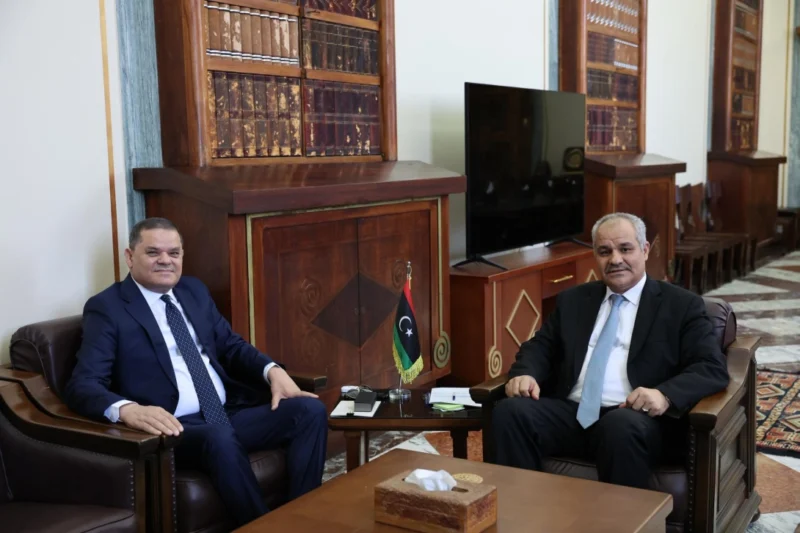
- Prime Minister Abdul Hamid Dbeibah and Central Bank of Libya Governor Naji Issa have agreed to strengthen coordination between the government and the Central Bank on letters of credit and to adopt a joint strategy that prioritises financing for industrial and productive projects. The agreement came during a meeting on Tuesday at the Central Bank’s headquarters in Tripoli, attended by senior government and banking officials. Discussions centred on public sector salaries, industrial financing, and foreign currency regulation, with both sides stressing the need to align financial policy with national economic priorities. Dbeibah highlighted the launch of the “Your Instant Salary” programme, developed in cooperation between the Central Bank and the Ministry of Finance. He said the platform is designed to accelerate salary disbursement, improve transparency, and reduce corruption in the public payroll system.
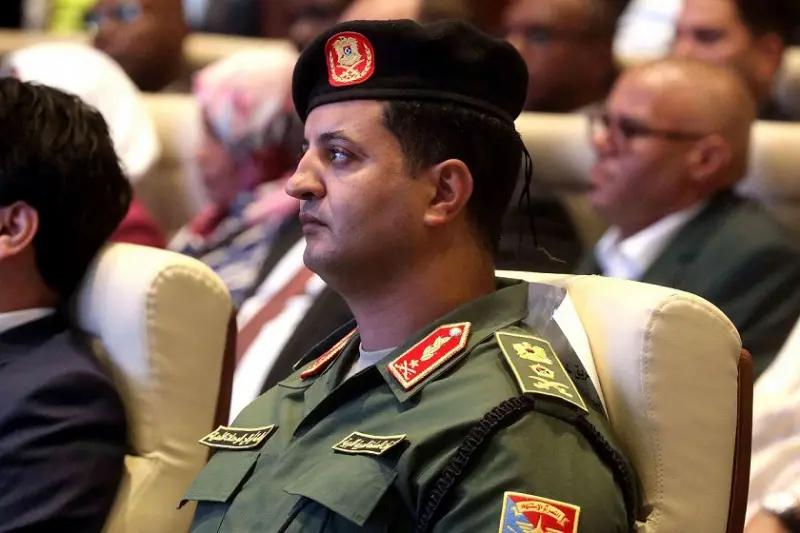
- Egyptian journalist Khaled Mahmoued revealed in a post on his X account that Field Marshal Khalifa Haftar, the commander of forces based in eastern Libya, has carried out a surprise reshuffle by appointing his son, Khalid Haftar, as Chief of Staff. The move comes as Lieutenant General Abdulrazek al-Nadoori, long considered one of the most senior figures within these forces, was shifted to the role of National Security Advisor. According to Mahmoued, the decision—ratified by the House of Representatives in Benghazi during its session yesterday—further consolidates Haftar’s family dominance within the military structure. His son Saddam Haftar already holds the post of Deputy Commander-in-Chief, effectively placing the two most powerful positions after Haftar himself in the hands of his sons.
- The United Nations Support Mission in Libya (UNSMIL) has released the results of a nationwide opinion poll that gathered responses from more than 22,500 Libyans over a two-month period. The survey aimed to measure public views on the political process and possible ways forward. According to the findings, 42% of participants said holding presidential and parliamentary elections at the same time, and as soon as possible, is the best way to end the current political stalemate. Around 23% supported a proposal to dissolve existing institutions and convene a national dialogue forum to appoint a new interim authority. This option also includes electing a 60-member body to draft an interim constitution and electoral laws to pave the way for national elections. Meanwhile, 17% favoured completing a permanent constitution before organising any elections.
INTERNATIONAL RELATIONS
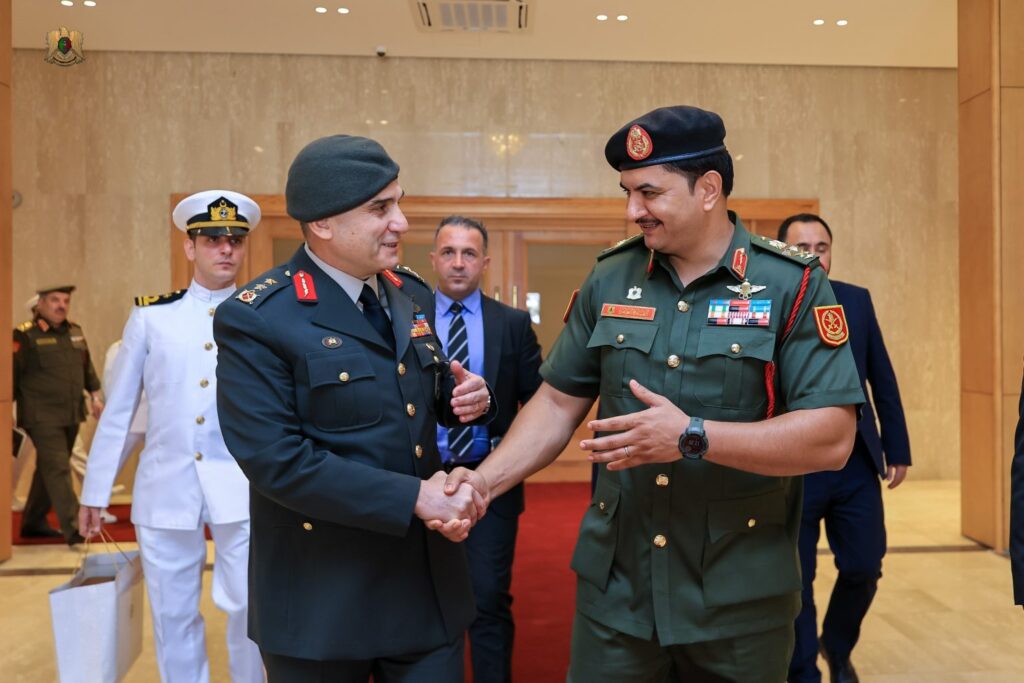
- In a move aimed at enhancing military and naval cooperation between Libya and Turkey, the Deputy Commander-in-Chief of the Armed Forces, Lieutenant General Saddam Khalifa, received the Turkish warship (TCG Kınalıada) at the port of Benghazi. The warship was accompanied by a high-level Turkish delegation led by the Turkish Ambassador to Libya, Güven Begeç; the Director-General at the Ministry of National Defense, Lieutenant General İlkay Altındağ; and the Turkish Consul General in Benghazi, Serkan Keramanlıoğlu, as part of an official visit by the Turkish Naval Forces to Libyan ports. A bilateral meeting was held on the sidelines of the visit, during which they discussed ways to develop military and naval cooperation and the exchange of technical and technological expertise between the two countries.
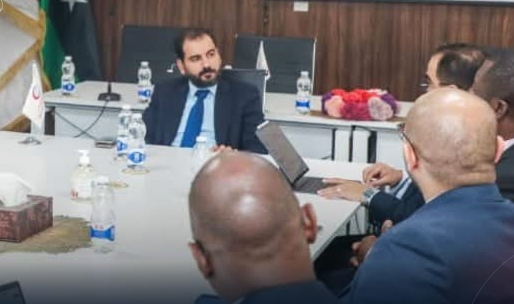
- The Director-General of the National Center for Disease Control, Haider Al-Sayeh, held a meeting with a delegation from the Africa Centres for Disease Control and Prevention (Africa CDC), led by the Director of the North Africa Region, Wissam Mankoula. The meeting was attended by the Center’s Deputy Director and a number of directors of specialized departments and offices. The meeting focused on discussing upcoming activities and strengthening cooperation between the two sides in support of public health initiatives in Libya and North Africa.