NATIONAL SECURITY ISSUES
-
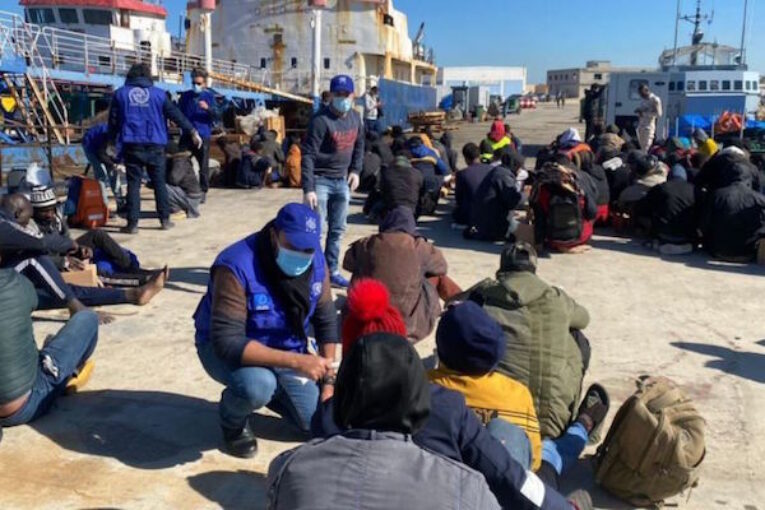
The International Organization for Migration (IOM) facilitated the voluntary humanitarian return of 148 migrants from Libya to Chad. The return flight from Tripoli to N’Djamena was conducted with the support of the European Union-IOM Joint Initiative for Migrant Protection and Reintegration. Prior to departure, IOM staff provided the migrants with an orientation on safety and travel procedures to ensure a supported journey.

-
This dawn, the city of Zawiya, west of Tripoli, witnessed violent armed confrontations in the Qumouda area, involving the use of shells and heavy weapons, resulting in the death of two people. This marks the latest wave of security tension gripping the city. Local sources reported that the clashes broke out after Hazem Bourahim (known as Awess) was killed by gunfire from Hamdi Bin Nasser, a member of the Zuaitat group. Subsequently, the latter was killed by gunfire from Hassan Bourahim, the brother of the first victim. According to the same sources, Hazem Bourahim had recently joined the armed group led by Mohamed Bahroun (known as Al-Far), reflecting the ongoing divisions and conflicts among armed groups within Zawiya.
-
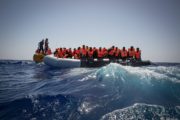
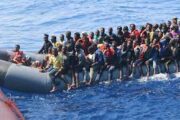
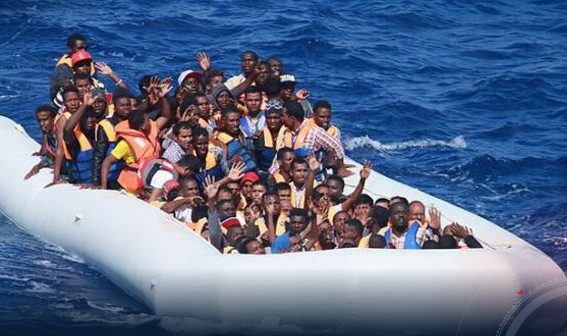
From 17 to 23 August 2025, 366 migrants were intercepted at sea and returned to Libya. This latest weekly figure contributes to a total of 14,920 migrant interceptions so far in 2025, according to data from the International Organization for Migration (IOM). The annual data for 2025 is comprised of 12,939 men, 1,354 women, and 482 children, with an additional 145 migrants having no available gender data. The Central Mediterranean route remains one of the world’s deadliest, with 665 deaths and 1,034 migrants reported missing throughout the entirety of 2024.
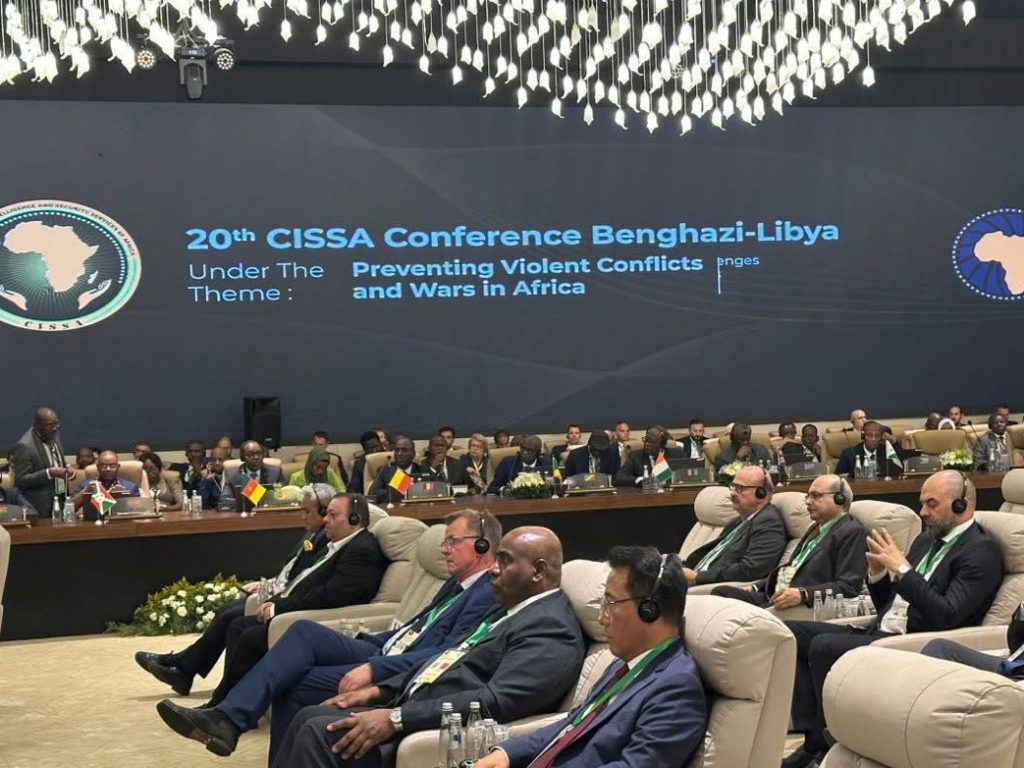
- Political analyst Abdel Sattar Hatteteh said that the main objective of the conference of the Committee of Intelligence and Security Services of Africa (CISSA) is to preserve security and stability within the African continent, stressing that the conference has no political backgrounds or objectives that conflict with this primary goal. Hatteteh explained in statements to the Sputnik agency that some participating heads of intelligence agencies might try to steer the discussions towards the situation in Libya. However, that does not change the essence of the conference or its major priorities, which are enhancing security and combating cross-border challenges. He noted that holding the conference in Libya is not directly linked to its internal developments, but rather is part of the continuity of the project initiated by Sudan in 2004. He added that the current situation in Sudan today clarifies that the conference focuses on the security of the continent as a whole, apart from the conditions of individual countries.
- The Chargé d’Affaires of the Embassy of the Republic of Iraq in Libya, Dr. Ahmed Al-Sahhaf, conducted a field visit to the illegal immigrant detention center east of Tripoli, where he met with the center’s director, Brigadier General Noureddine Al-Qritli, to discuss the situation of detained Iraqi citizens. During the visit, the embassy was able to confirm the Iraqi nationality of 25 individuals who had been apprehended while attempting to migrate via the Libyan coast. This step is crucial to begin regularizing their status in preparation for their voluntary repatriation to their homeland. Al-Sahhaf affirmed the Iraqi government’s commitment to resolving this issue, pledging that the embassy will work on issuing the necessary travel documents and securing return tickets, while expediting procedures to ensure a safe and dignified return for all citizens as soon as possible.
NATIONAL POLITICS AND SOCIAL ISSUES
- On Thursday, August 28, Zaid Hadiya, Chairman of the Committee for Monitoring Regulatory Bodies in the House of Representatives, discussed with Khaled Shakshak, President of the Audit Bureau in the Western Region, a number of vital files, foremost among them the legislation and laws regulating the Bureau’s work and ways to develop them to ensure its independence and the effectiveness of its role in overseeing public funds. The meeting, held via video conference, also discussed mechanisms for closing the state’s final account, emphasizing the importance of adhering to international accounting standards and transparency in preparing financial reports, in addition to enhancing cooperation between regulatory bodies and executive authorities to ensure the integration of roles and achieve good governance.
- The head of the House of Representatives’ Finance Committee, Omar Tantush, said that public debt accumulated between the two governments from 2014 to 2024, noting that the new law will cancel all public debt resulting from the revaluation of the Central Bank of Libya’s assets according to the new exchange rate approved last April. In exclusive statements to the Qatari “Al-Araby Al-Jadeed” website, Tantush explained that full coordination was undertaken with the Central Bank to ensure the law is implemented in a manner that suits the country’s financial situation.
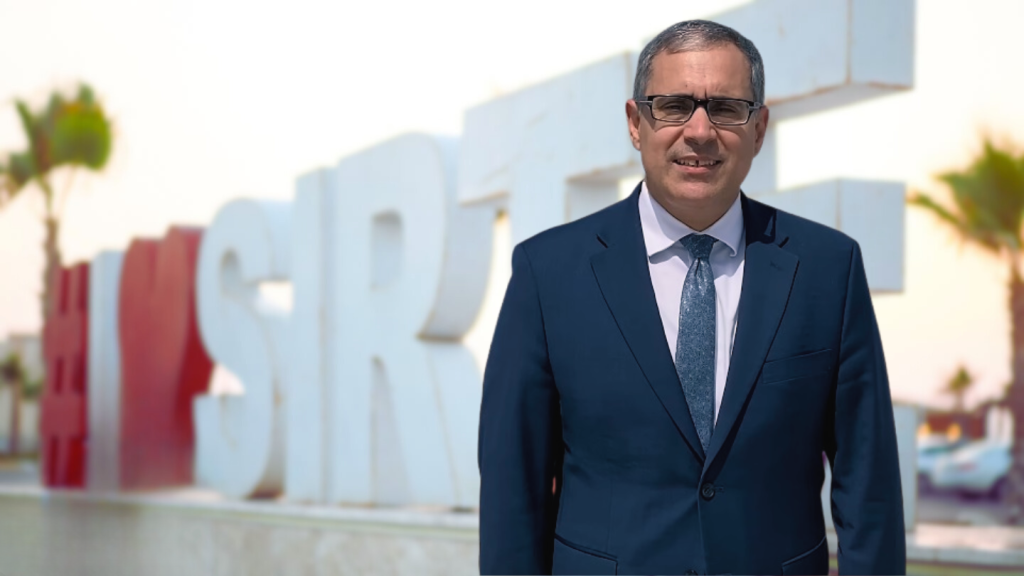
- In a first-of-its-kind visit, the U.S. Chargé d’Affaires to Libya, Mr. Jeremy Berndt, arrived in the city of Sirte, emphasizing the city’s strategic importance as a vital bridge connecting eastern and western Libya and expressing the United States’ commitment to supporting Libya’s stability, unity, and prosperity. In a video message, Berndt began his remarks by saying, “I am honored to be here in the city of Sirte today,” describing it as an important city located in Libya’s geographic center. He noted the pivotal role Sirte plays in achieving national unity. Berndt drew a comparison between the city’s dark past and its bright future, recalling the situation nine years ago when “the city of Sirte was under the control of ISIS.” He stressed the firm American stance during that critical period, stating, “The United States stood by the Libyan people, and we supported the efforts of Libyans in combating terrorism and liberating the city.”
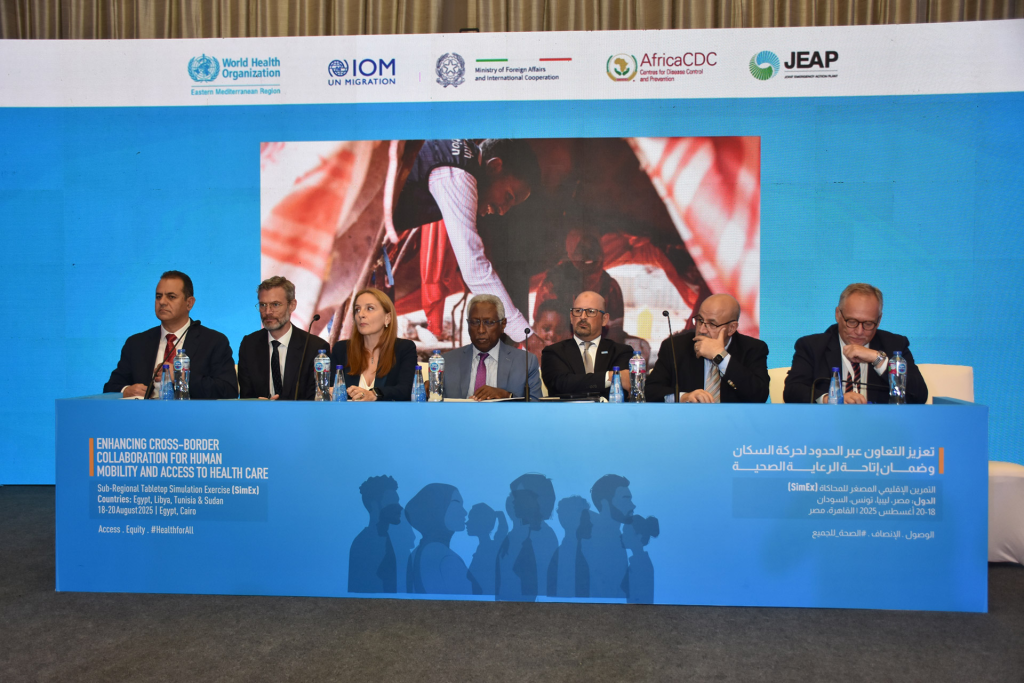
- Government representatives from Egypt, Libya, Sudan, and Tunisia participated in a three-day table-top simulation exercise (SimEx) in Cairo, organized by the WHO and IOM. The primary goal was to strengthen cross-border collaboration to address public health risks associated with migration, according to IOM. The exercise focused on improving preparedness for disease outbreaks and ensuring access to health services for migrants and refugees, in line with the International Health Regulations (IHR 2005). Key outcomes and recommendations from the meeting include:
* Standardizing public health procedures across borders.
* Establishing formal collaboration frameworks and legal agreements.
* Enhancing real-time communication and coordination during health emergencies.
* Strengthening technical capacity at national and cross-border levels.
INTERNATIONAL RELATIONS
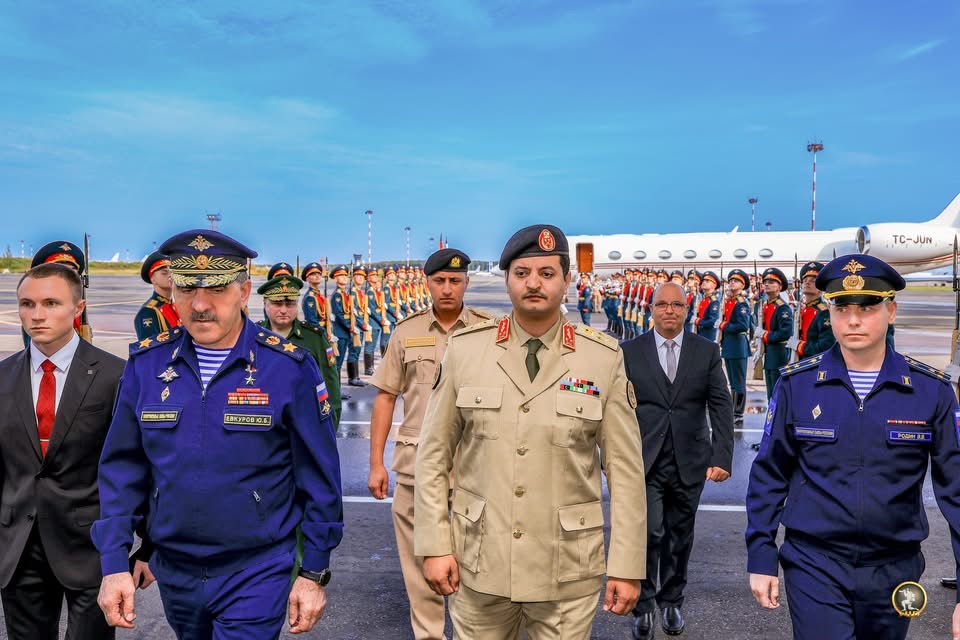
- General Khalid Haftar, Head of the General Staff of the Libyan Armed Forces, arrived in the Russian Federation on an official visit. He was received at the airport by Deputy Russian Defense Minister, Colonel-General Yunus-Bek Yevkurov, in an official welcoming ceremony. This visit comes within the framework of enhancing cooperation relations between the two countries and discussing prospects for joint coordination in the fields of training, exchange of expertise, and development of defense capabilities.
- The General Commander of the Armed Forces, Field Marshal Khalifa Abu Al-Qasim Haftar, received the French Special Envoy, Mr. Paul Soler, today, Monday, at his office in the General Command headquarters in the Ar-Rajma area. During the meeting, Mr. Soler conveyed the greetings of French President Emmanuel Macron to Field Marshal Haftar and the Libyan people, emphasizing the deep-rooted relations between the two countries. Discussions focused on the latest developments in Libya’s political landscape, with both sides examining ways to enhance joint action to reach a unified vision for creating suitable conditions to hold presidential and parliamentary elections. The two parties stressed the importance of forming a single, unified government to oversee this electoral process, ensuring its integrity and the acceptance of its results by all factions.
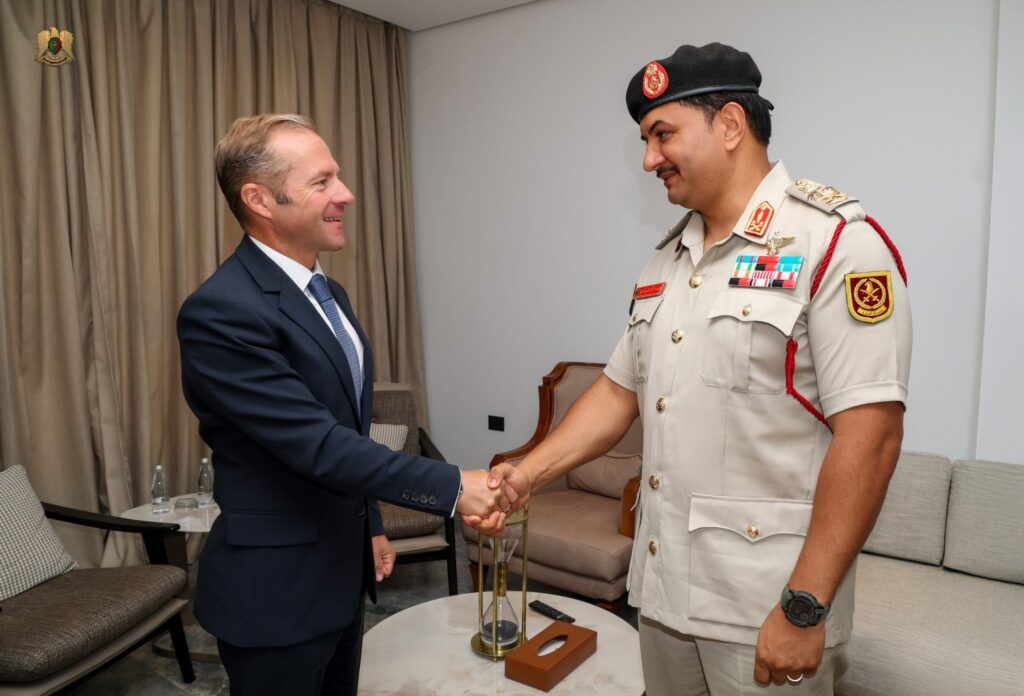
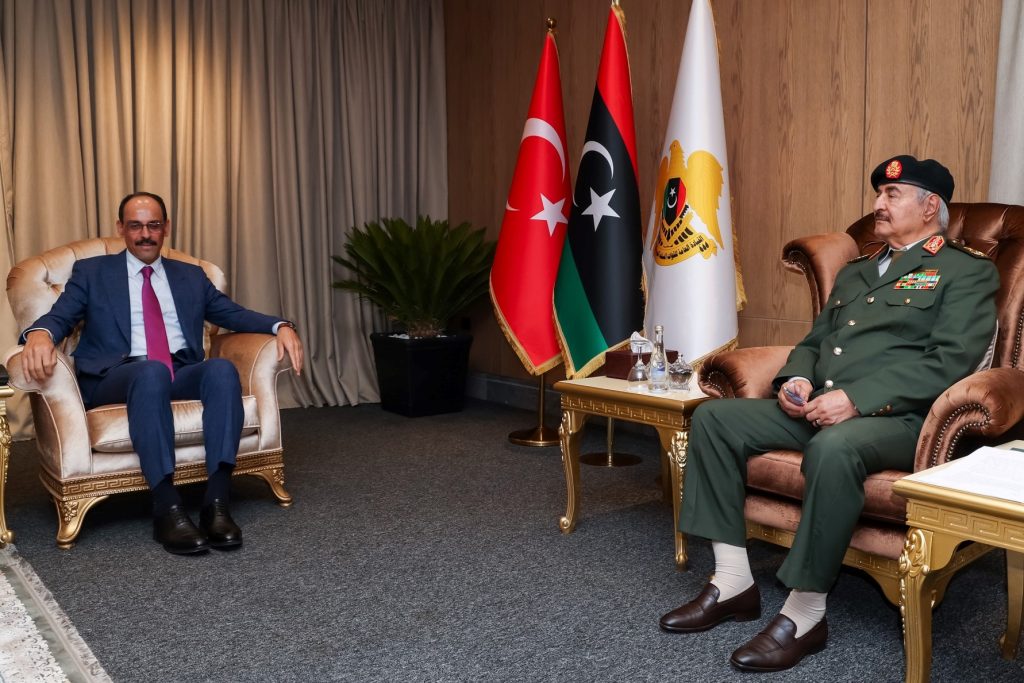
- In a development reflecting the changing dynamics of the Libyan landscape, the Commander-in-Chief of the Libyan Armed Forces, Field Marshal Khalifa Haftar, received the head of the Turkish National Intelligence Organization (MİT), İbrahim Kalın, at his office in the General Command headquarters in the Ar-Rajma area of Benghazi. This high-level meeting marks a significant step in the course of relations between Turkey and the General Command of the Armed Forces in eastern Libya, which had experienced tensions in past years due to Ankara’s support for the Government of National Unity in Tripoli.