NATIONAL SECURITY ISSUES
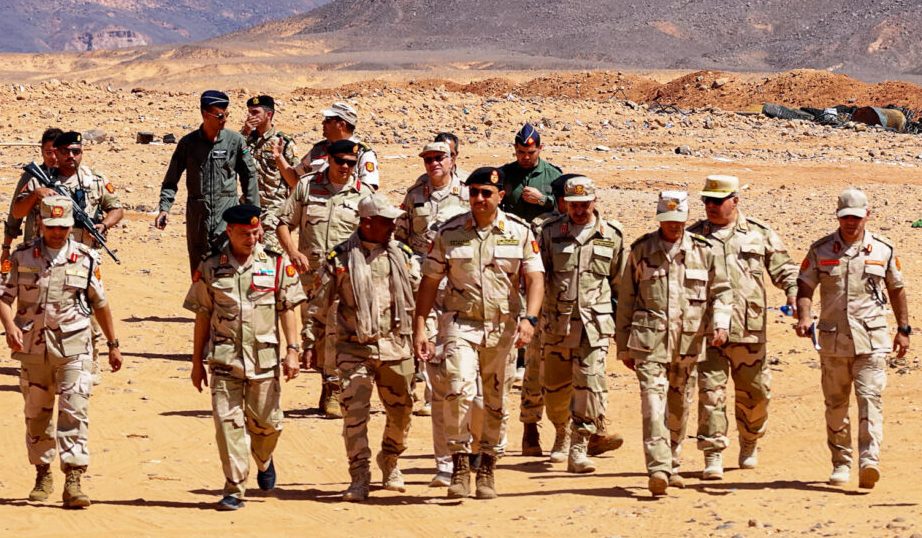
- The Deputy Commander-in-Chief of the Armed Forces, Lieutenant General Saddam Haftar, conducted an inspection tour of the al-Tum border crossing with Niger as part of his extensive field tour currently underway in various regions of southern Libya. The media office of the General Command of the Armed Forces reported on Thursday that during his tour, Lieutenant General Saddam Haftar reviewed the operations of the units tasked with securing the crossing and praised their efforts in performing their duties. At the conclusion of his tour, the Deputy Commander-in-Chief of the Armed Forces affirmed the General Command’s commitment to enhancing the readiness of all its units to carry out their assigned tasks with high efficiency.
NATIONAL POLITICS AND SOCIAL ISSUES
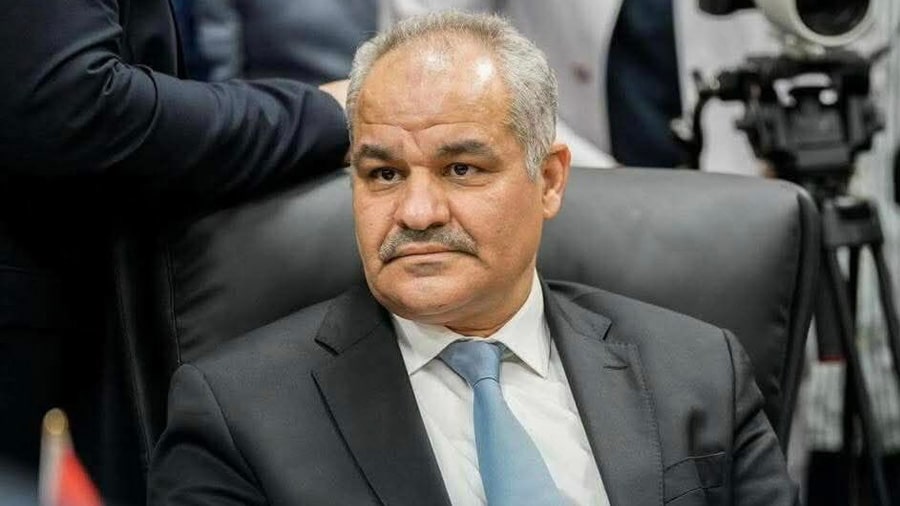
- The Governor of the Central Bank of Libya, Naji Issa, said that Libya is facing complex economic and financial challenges that require strengthening cooperation and joint work among various financial institutions to support the country’s path of sustainable development. Issa added, during the conference on “Banking Investment and its Role in Enhancing Economic Development” organized by the Central Bank of Libya, that the current phase requires activating the developmental role of the banking sector through legislative and regulatory reforms that create a suitable environment for investment and enable banks to contribute effectively to economic growth.
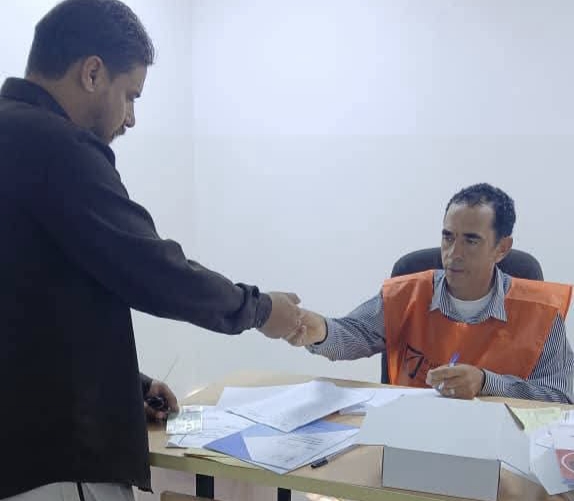
- Polling centers in the municipality of Sirte began to receive citizens for the collection of their voter cards, as part of ongoing preparations for the upcoming elections.
The Libyan News Agency correspondent in Sirte, Mohammed Al-Amil, confirmed a large turnout of citizens at the polling centers, eager to receive their voter cards as soon as possible, in accordance with the procedures established by the High National Elections Commission.
Al-Amil noted that the centers are open to citizens from 8:00 AM until 2:00 PM.
According to the Electoral Administration Office in Sirte, the municipality has thirty-five polling centers distributed across its various areas to facilitate the collection process and ensure the smoothness of procedures.
This measure is part of the Commission’s efforts to ensure all citizens are prepared to exercise their right to vote easily and smoothly.
-
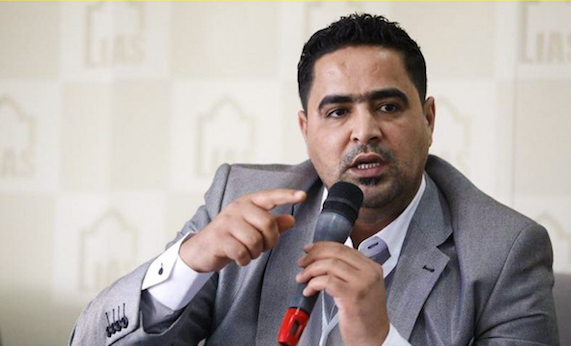
Suleiman Al-Bayoudi commented on the developments in the school textbook case, considering that the current government is facing a new crisis at a sensitive time. In a post on the social media site Facebook, Al-Bayoudi said: “With the UN mission announcing it is moving forward to launch the Libyan political dialogue, this government came in with the school textbook scandal and will leave with it.”
INTERNATIONAL RELATIONS
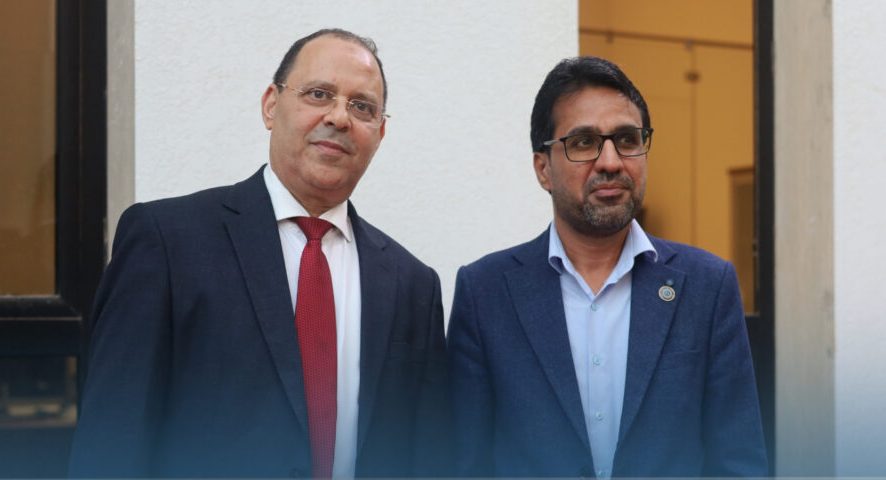
- An official celebration was held at the headquarters of the Moroccan Consulate General in Benghazi to mark the 50th anniversary of the Green March. The event was attended by the Consul General of the Kingdom of Morocco in Libya, Said Benkirane; the Director of Consular Affairs at the Libyan government’s Ministry of Foreign Affairs, Mansour Boujnat Al-Hassi; the former Libyan Ambassador to the Kingdom of Morocco, Abdulmajid Saif Al-Nasr; along with a delegation from the Ministry of Foreign Affairs, members of the Moroccan-Libyan Friendship Association, and a representative from the United Nations Support Mission in Libya. This celebration embodied the strong fraternal relations between Libya and Morocco and affirmed the deep historical and cultural ties between the two brotherly peoples. The event saw a large attendance from members of the Moroccan community residing in Libya, as well as several Libyan official and social figures.
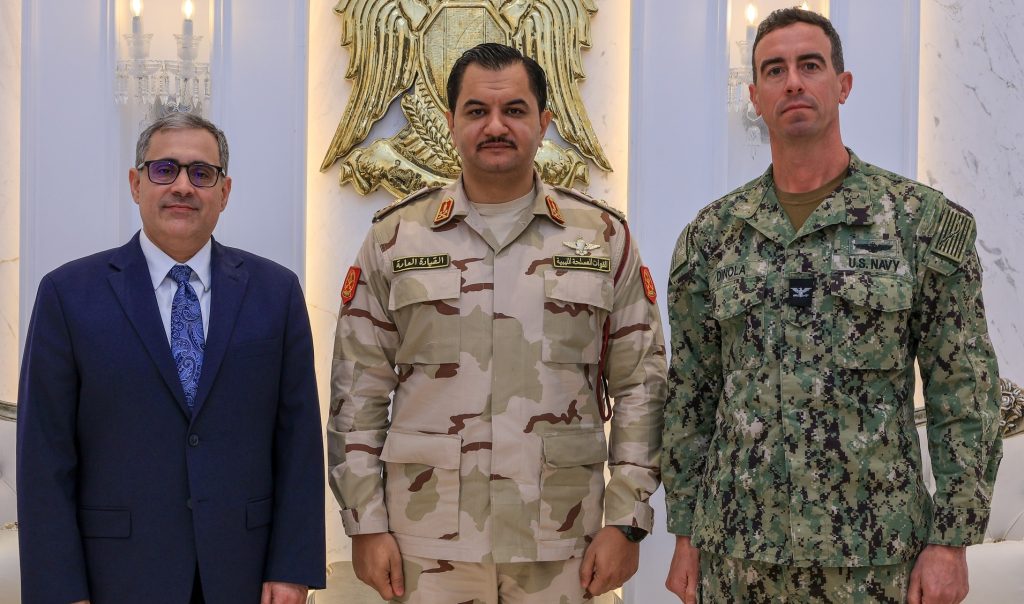
- General Saddam Haftar, Deputy Commander-in-Chief of the Armed Forces, met with the U.S. Chargé d’Affaires to Libya, Mr. Jeremy Berndt, and the U.S. Defense Attaché, Colonel Dustin D. Dinola. During the meeting, the Deputy Commander-in-Chief welcomed the visiting U.S. delegation, noting the “positive development in consolidating Libyan-American relations in various fields.” For their part, the U.S. Chargé d’Affaires and Defense Attaché praised the important role played by the General Command of the Armed Forces in “maintaining security and stability and protecting Libyan borders.”
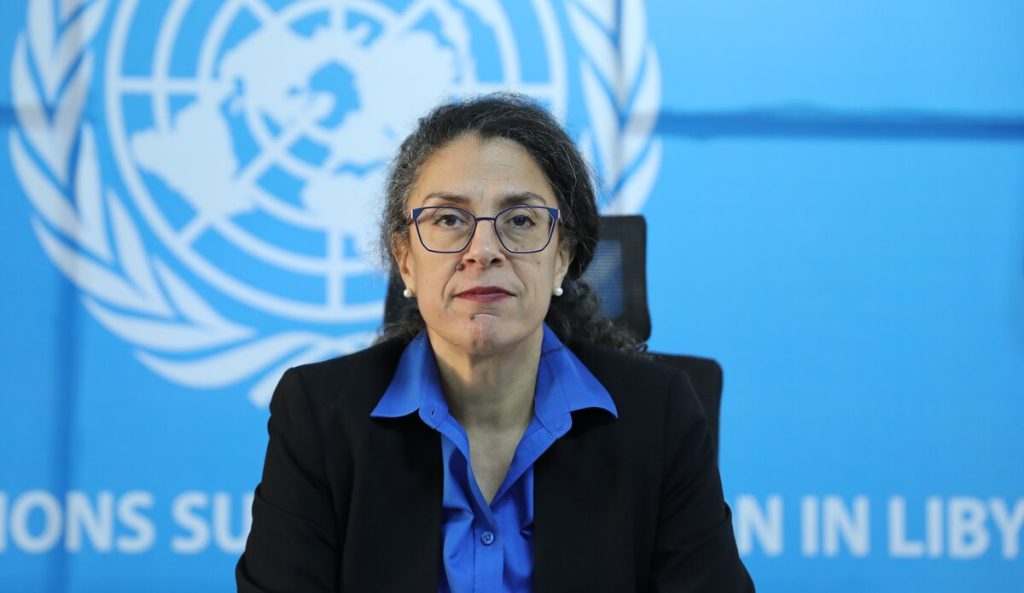
- Deputy Special Representative of the Secretary-General for Political Affairs Stephanie Khoury said that the structured dialogue announced by the Mission includes four main tracks: security, economy, national reconciliation, and governance. Dialogue Objectives and Expanding Participation
Khoury explained in a statement to “Al-Masar” TV that the goal of the dialogue is to build broader consensus that contributes to Libya’s stability and moves the political process forward, noting that about 120 Libyan figures from various components will participate in the dialogue. They will present recommendations on the four tracks to unify visions and exit the transitional phase.