NATIONAL SECURITY ISSUES
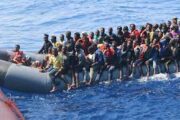
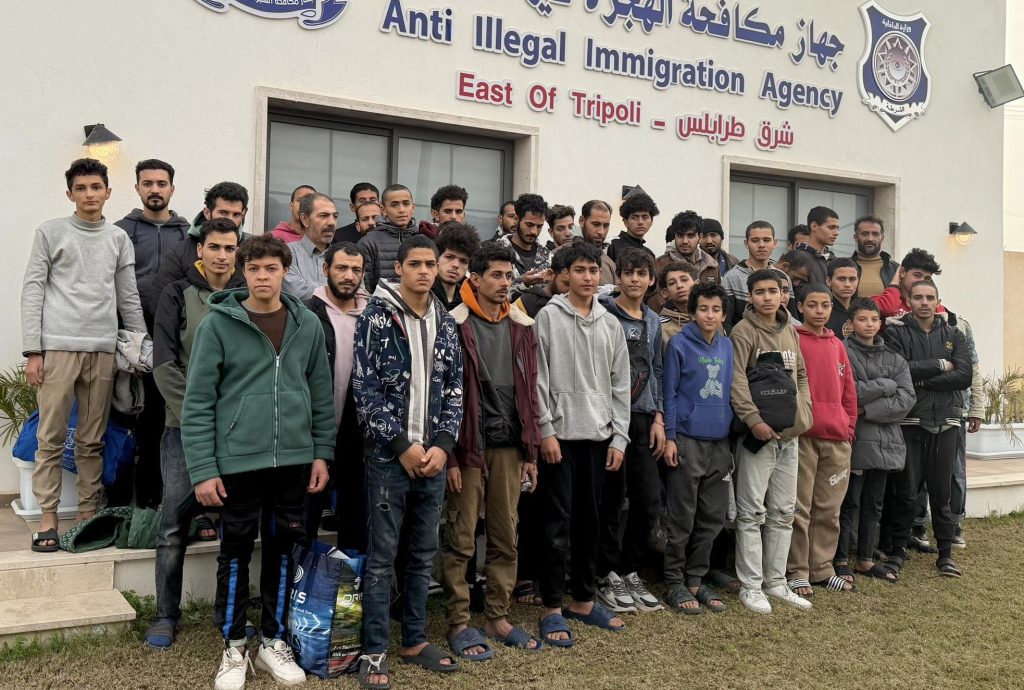
- The Agency for Combating Illegal Migration deported 48 Egyptian migrants. The deportation occurred on Thursday via Mitiga International Airport. The agency clarified this in a statement. These migrants were residing in an East Tripoli shelter center. Some were referred by the Illegal Migration Prosecution. Others had security restrictions. Their deportation and expulsion were necessary. They failed to comply with Libyan state laws.
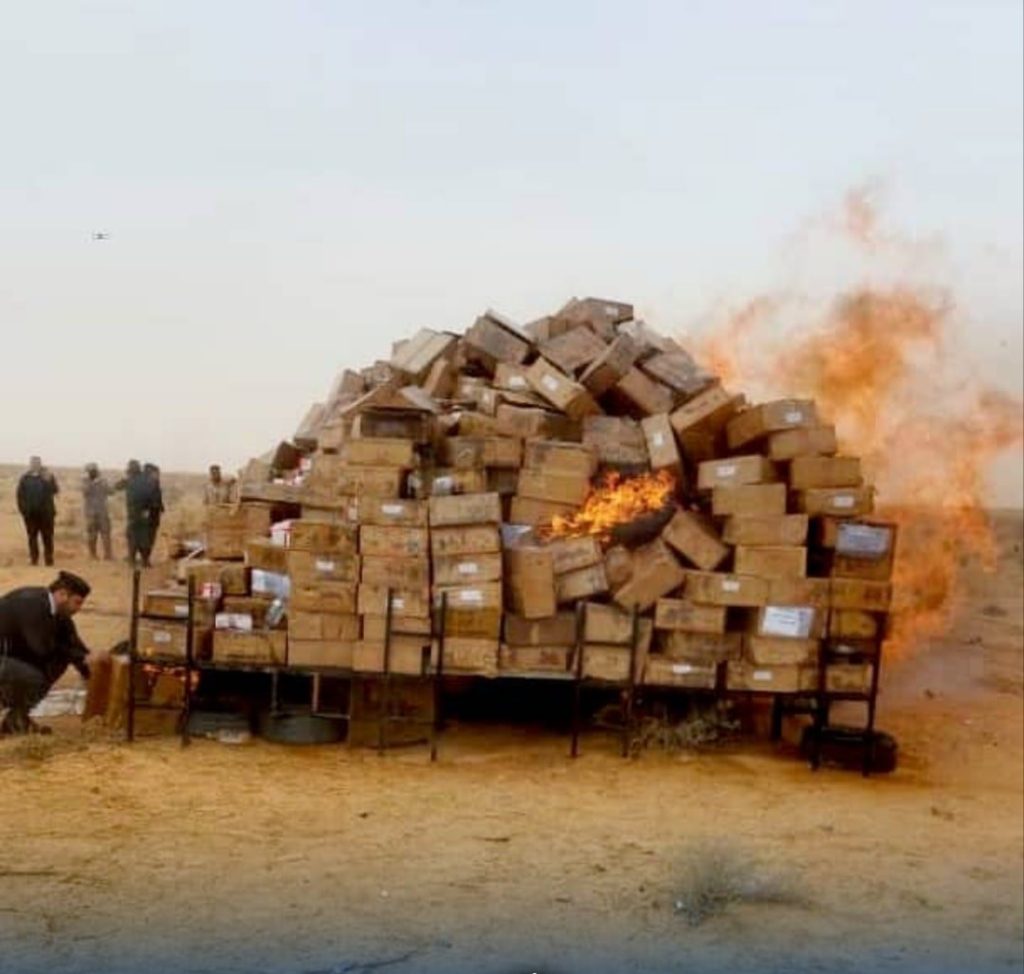
- The Anti-Narcotics and Psychotropic Substances Agency, Al-Jabal Al-Gharbi branch, destroyed a large quantity of hallucinogenic pills. The estimated quantity was 7 million pills. These pills were stored in 1400 boxes. The agency stated the operation was conducted in coordination. Partners included the Al-Jabal Al-Gharbi Military Zone. The Ghadames Office for Combating Smuggling and Narcotics also participated. The destruction took place at the protected Al-Jabal Al-Gharbi Military Zone headquarters. The destruction process took place with official oversight. Representatives from the Zintan Anti-Narcotics Prosecution attended. The Al-Jabal Al-Gharbi Public Prosecutor’s Office also sent representatives. The action followed established legal procedures. These measures ensure community safety. They also aim to curb the spread of this dangerous menace.
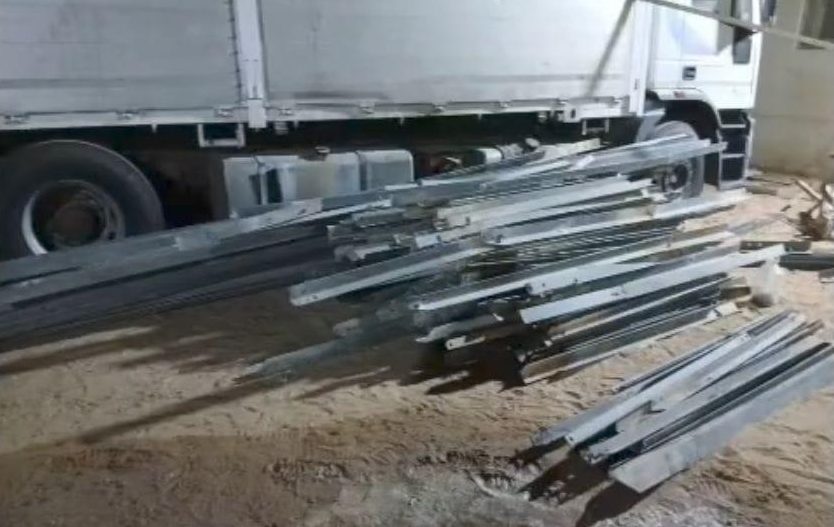
- A security force seized a large number of high-voltage components. This occurred yesterday, Sunday. The force is affiliated with Al-Shwerif police station. They cooperated with the Electrical Police. The components belonged to the essential high-voltage towers. These towers are part of the ultra-high voltage electricity network. The seized items included 590 iron pieces. These pieces are specific to high-voltage electrical towers. They also included 15 vibration dampers. Additionally, 18 lightning arresters were found. These are essential and sensitive components. They are crucial for the ultra-high voltage network. They ensure the safety and stability of the electrical grid. Jufra Security Directorate explained the situation. Al-Shwerif police station handed over the seized items. This was done in coordination with the Electrical Police. The items were given to the specialized electricity company. The company will take necessary technical and legal measures. This ensures the safe return of the equipment. The equipment will be returned to its original sites. This action strengthens the electrical network. It helps maintain its efficiency and continuous operation.
NATIONAL POLITICS AND SOCIAL ISSUES
- The College of Graduate Studies for Security and Legal Sciences at the Ministry of Interior held a working meeting. Its dean, Major General Dr. Khalid Al-Faidi, chaired the meeting. Dr. Mona Al-Houni, director of the Scientific Research Authority’s Benghazi branch, coordinated the event. A team of experts from the authority participated. The meeting focused on using artificial intelligence tools in scientific research. Two main topics were discussed. The first topic involved drafting a law. This law would regulate the use of artificial intelligence in scientific research. It would also ensure legal and ethical controls. The second topic focused on developing a comprehensive program. This program aims to enhance the skills of graduate students in the college’s scientific departments. It will boost their research capabilities. It will also help them keep pace with the demands of the digital age.
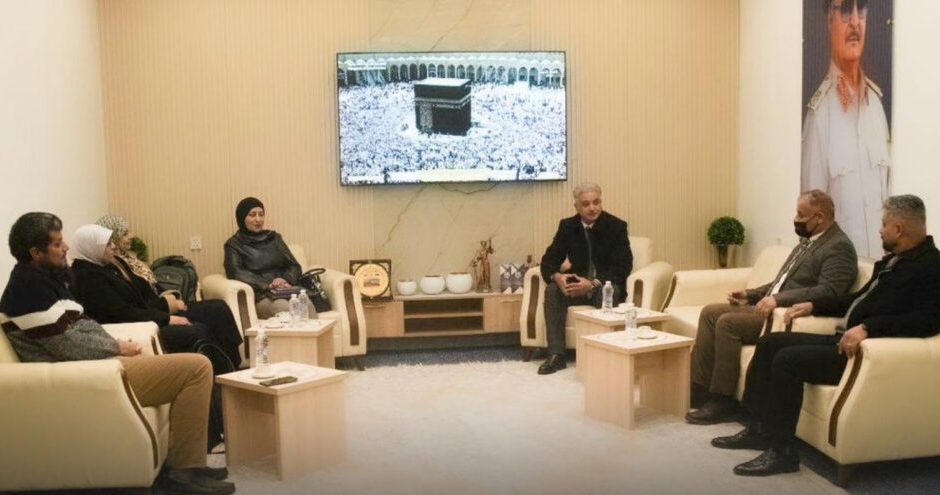
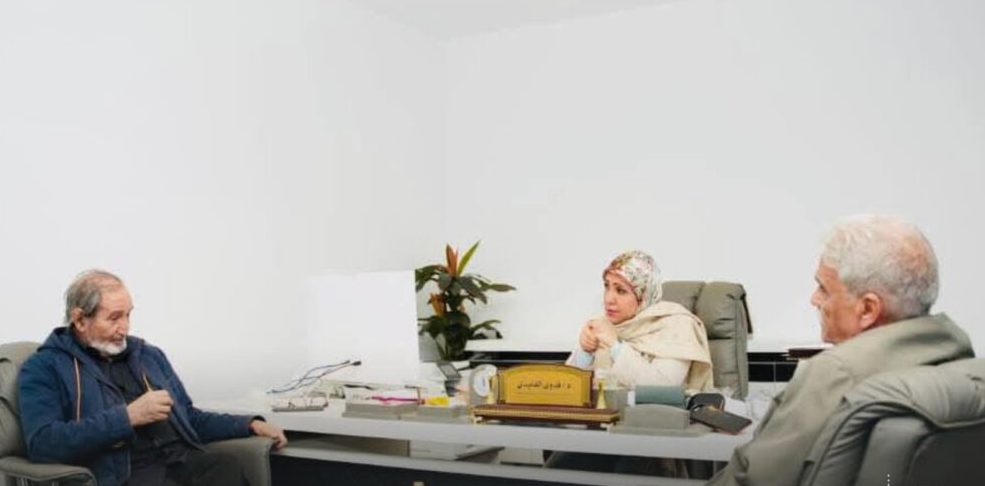
- Dr. Fadwa Al-Faidi met with Dr. Mohammed Sasi today, Wednesday, January 28, in Benghazi. Dr. Al-Faidi heads the Health Institutions Accreditation and Monitoring Authority. Dr. Sasi heads the Medical Specialties Council. The meeting aimed to enhance institutional cooperation. It also sought to improve the health education and training system. They discussed ways to unify efforts in health institution accreditation. They also aimed to ensure the quality of training programs. Additionally, they will raise the efficiency of medical staff. This will align with approved national and international standards. Both parties emphasized the importance of institutional integration. This integration is between the Authority and the Medical Specialties Council. It will contribute to improving healthcare services. It will also support the continuous medical education system. This will achieve sustainable development goals for the health sector.
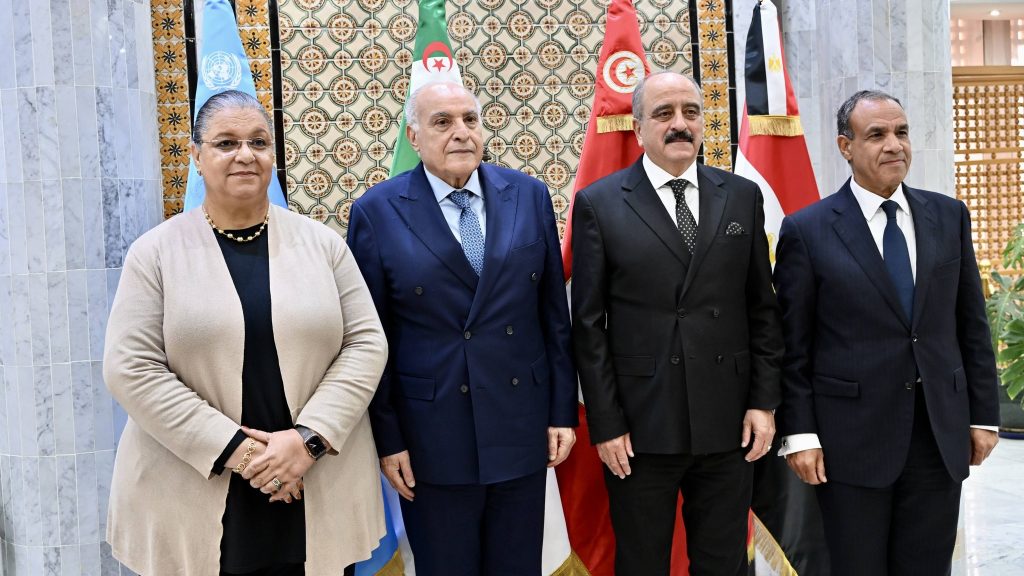
- Egypt, Tunisia, and Algeria expressed their rejection. They opposed all forms of foreign interference in Libya’s internal affairs. They stressed the need to withdraw mercenaries. Foreign fighters must also leave all parts of the country. This statement came in the final communiqué. Foreign ministers of the three nations issued it. It followed a ministerial meeting of the tripartite mechanism. The meeting involved Libya’s neighboring countries. It took place in Tunis. The Algerian Ministry of Foreign Affairs published this information. The statement affirmed the necessity of Libyan leadership. Libyans must own their political process. All active forces in Libyan society should participate. It emphasized the importance of dialogue and consensus. This aims to lead the country to presidential and parliamentary elections.
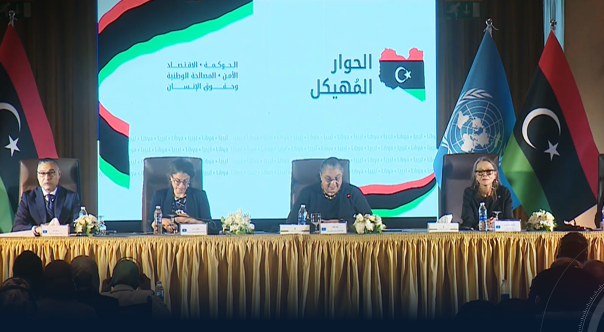
- The United Nations Support Mission in Libya (UNSMIL) confirmed the launch of the National Reconciliation and Human Rights track. This track is part of the structured dialogue. It begins with a series of in-person meetings. These meetings will last for one week. The Mission, through its media office, explained participants will identify key human rights issues. These issues are relevant to national reconciliation and elections. They will focus on policies and implementation mechanisms. This aims to strengthen work in these areas.
- The United Nations Support Mission in Libya (UNSMIL) confirmed the launch of the National Reconciliation and Human Rights track. This track is part of the structured dialogue. It begins with a series of in-person meetings. These meetings will last for one week. The Mission, through its media office, explained participants will identify key human rights issues. These issues are relevant to national reconciliation and elections. They will focus on policies and implementation mechanisms. This aims to strengthen work in these areas.
-
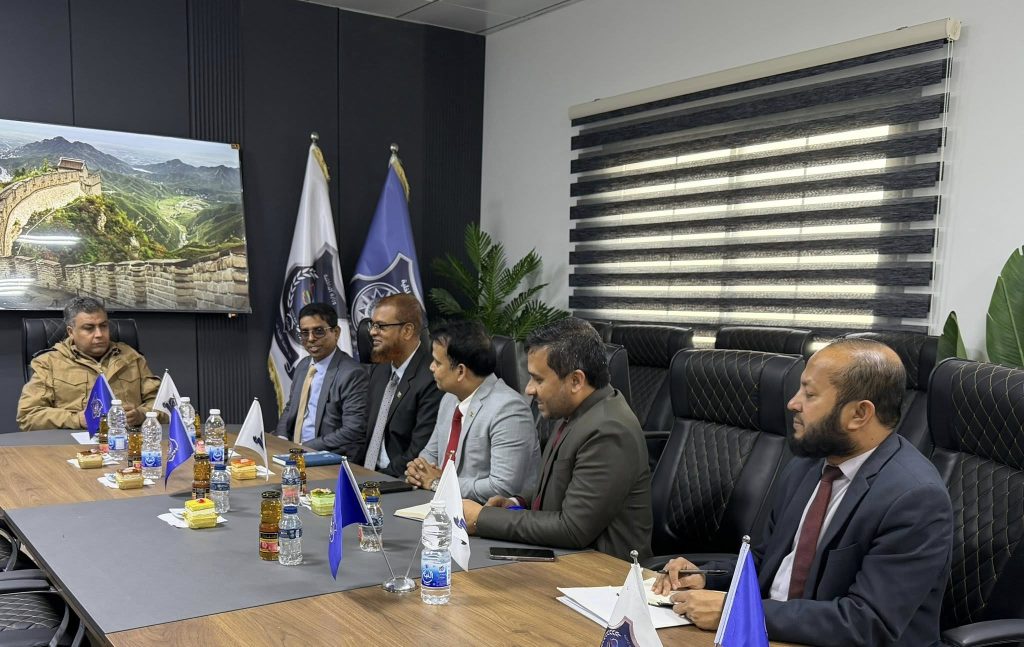
The Chargé d’Affaires at the Bangladesh Embassy in Libya, Kazi Asif Ahmed, visited an irregular migrant detention center in eastern Tripoli. He led a delegation to check on the living conditions of Bangladeshi migrants held at the facility. The Chargé d’Affaires was accompanied by the center’s head, Brigadier General Noureddine al-Qaritaly. During the visit, Ahmed interviewed the migrants directly. He informed them that all travel arrangements for their deportation are currently being processed. This effort involves continuous coordination with the relevant authorities.
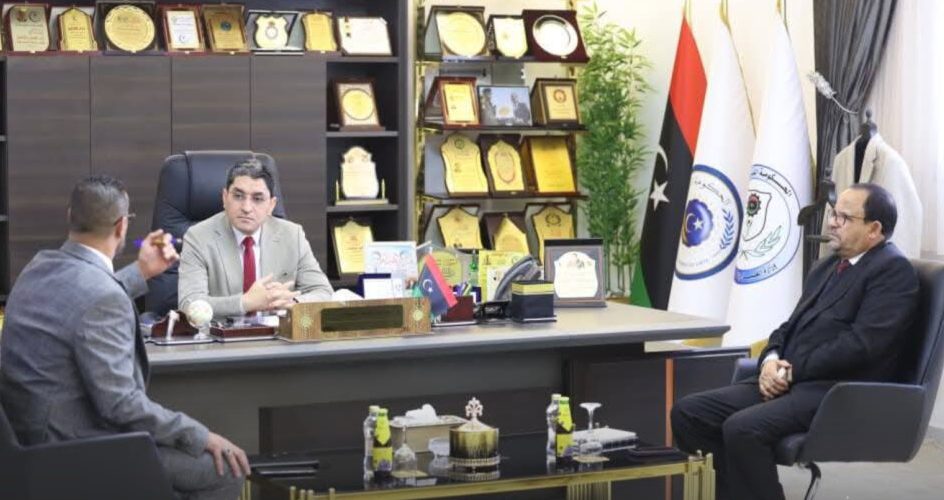
- Minister of Labor and Rehabilitation Abdullah Arhouma reviewed the ministry’s general final account. He emphasized enhancing financial and administrative efficiency. This was part of monitoring work progress in departments and offices. This occurred during a meeting held by the Minister at the ministry’s headquarters in Sirt. The meeting focused on monitoring the performance of the Administrative and Financial Affairs Department. Attendees included Abdullah Ateeq, the department’s director. Mesbah Al-Jeddi, the General Financial Controller, was also present. They reviewed the ministry’s overall financial status. They also discussed key financial and administrative files. The meeting discussed the department’s adherence to approved financial procedures. It also addressed ensuring the optimal use of financial resources. This aims to achieve the approved objectives for the ministry’s programs and activities.
INTERNATIONAL RELATIONS
-
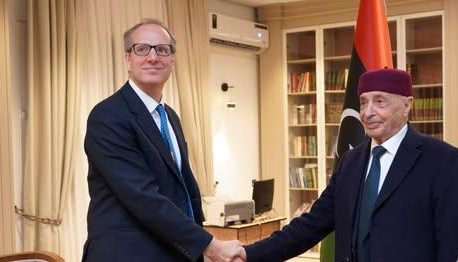
Speaker of the House of Representatives Aguila Saleh met separately on Wednesday, January 28, with the ambassadors of France and the United Kingdom. He received French Ambassador Terry Vallat and British Ambassador Martin Reynolds. According to the House Media Center, the meetings reviewed the latest developments in Libya. Saleh briefed the ambassadors on recent parliamentary updates. He emphasized that the legal and legislative framework for presidential and parliamentary elections is now ready. The discussions also addressed shared regional challenges. The parties focused primarily on combating illegal migration and its impact on regional security. They stressed the importance of international coordination to support Libya in securing its borders. Saleh also highlighted the need to protect Libyan sovereignty.
-
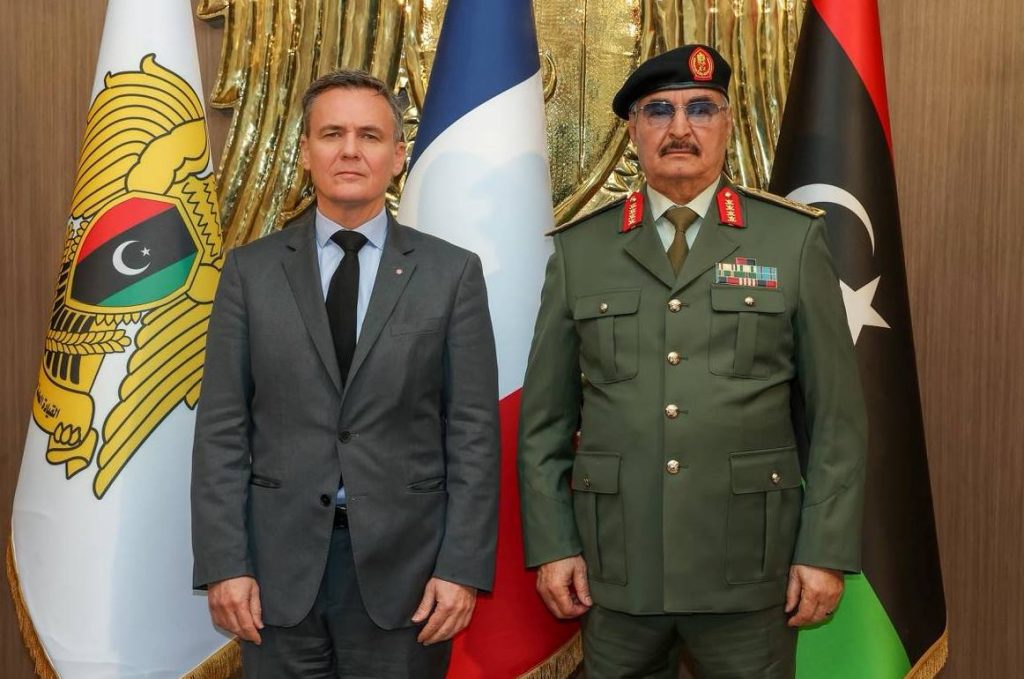
The Commander-in-Chief of the Armed Forces, Field Marshal Khalifa Haftar, received the Ambassador of France to Libya, Mr. Thierry Vallat, and his accompanying delegation at his office in the General Command headquarters in Benghazi. During the meeting, the French Ambassador expressed his pleasure with the visit and conveyed the greetings of the President of the French Republic, Emmanuel Macron, to the Commander-in-Chief, emphasizing his keenness to continue developing and strengthening bilateral relations across various fields. For his part, the Commander-in-Chief noted the depth of relations between Libya and France, stressing the importance of developing them to serve mutual interests. The meeting also witnessed an exchange of views on the latest local and regional developments and discussed ways to enhance cooperation and joint coordination, particularly regarding the issues of combating illegal migration and tackling human trafficking and drug smuggling networks.
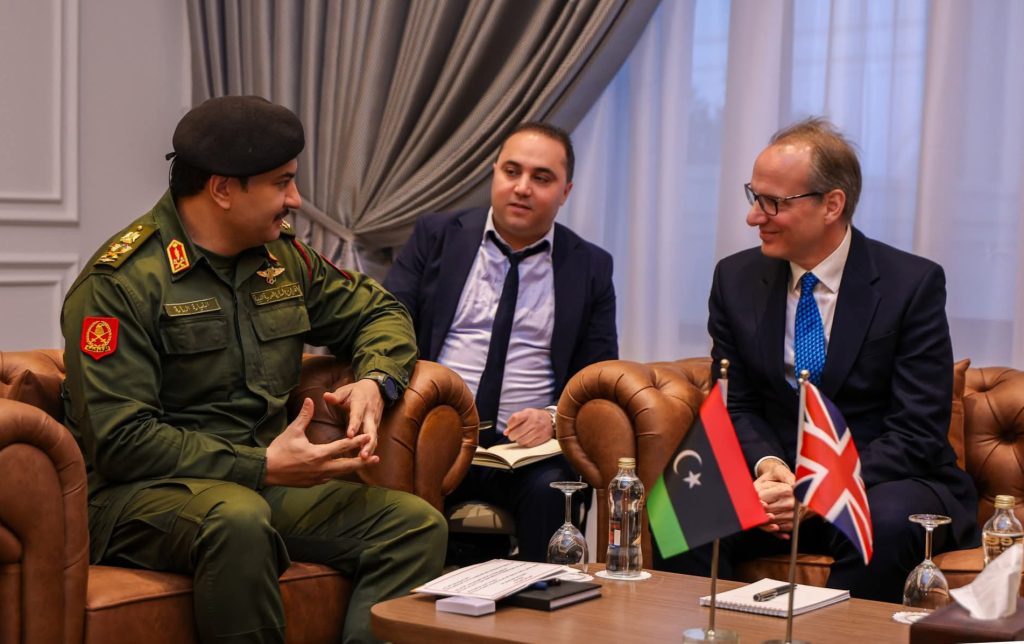
- In the framework of enhancing and developing bilateral relations between Libya and the United Kingdom, the Deputy Commander-in-Chief of the Armed Forces, General Saddam Haftar, met with the Ambassador of the United Kingdom to Libya, Mr. Martin Reynolds, and his accompanying delegation at the General Command headquarters in Benghazi. At the beginning of the meeting, General Saddam Haftar welcomed Ambassador Reynolds and the accompanying delegation, noting the strength and depth of the historical relations between the two countries based on mutual respect and the promotion of common interests for the two friendly peoples, while also emphasizing the importance of elevating cooperation in the economic, trade, security, and scientific fields.
-
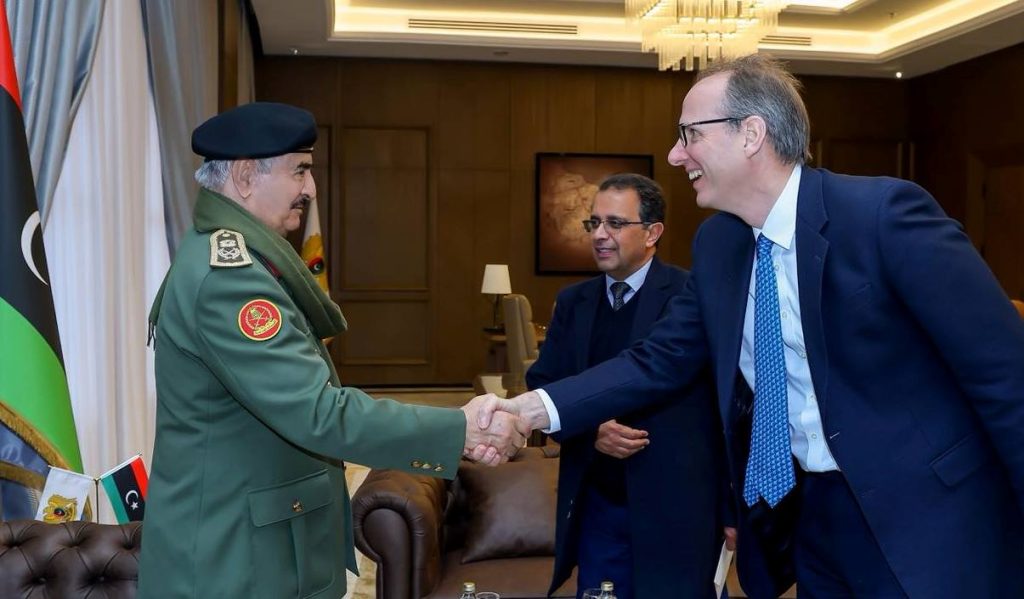
The Commander-in-Chief of the Armed Forces, Field Marshal Khalifa Haftar, received at his General Command headquarters the Ambassador of the United Kingdom to Libya, Mr. Martin Reynolds, and his accompanying delegation. The Commander-in-Chief welcomed the visiting delegation, expressing his wishes for Ambassador Martin Reynolds’ success in his duties as the UK Ambassador to Libya. He also emphasized the importance of enhancing joint coordination and cooperation between the two countries in the economic and security sectors, as well as developing training programs to improve the efficiency and capabilities of the armed forces in combating terrorism and securing borders. For his part, the British Ambassador expressed his pleasure in visiting the General Command headquarters and meeting the Commander-in-Chief, conveying his appreciation for the efforts made to promote security and stability.