NATIONAL SECURITY ISSUES
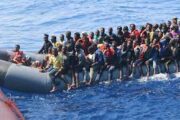
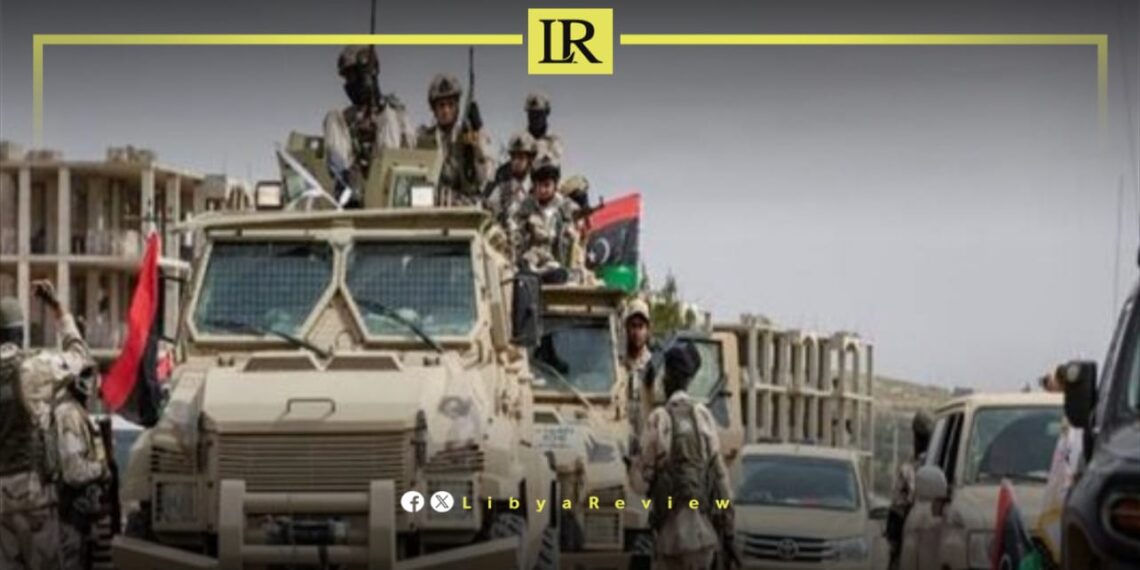
- An Italian parliamentary report has shed light on Russian activities in Libya, alleging that these actions have transformed the Libyan territory into a center for arms smuggling and supporting local militias. The report also points out the weak control of authorities in Western Libya over irregular migration flows, contrasted by more capable governance in the Eastern region. The 80-page report issued by the Parliamentary Committee for the Security of the Republic, chaired by Democratic Deputy Lorenzo Guerini, unveils new details. It states, “Libya has become prey to human trafficking, alongside smuggling of fuel, drugs, and weapons,” according to the Italian news agency AnsaMed. The report attributes this situation partly to the Libyan authorities’ inability to enforce full control over the country, estimating that around 700,000 irregular migrants are currently in Libya. The crisis remains open, especially with the lack of effective control over certain areas.
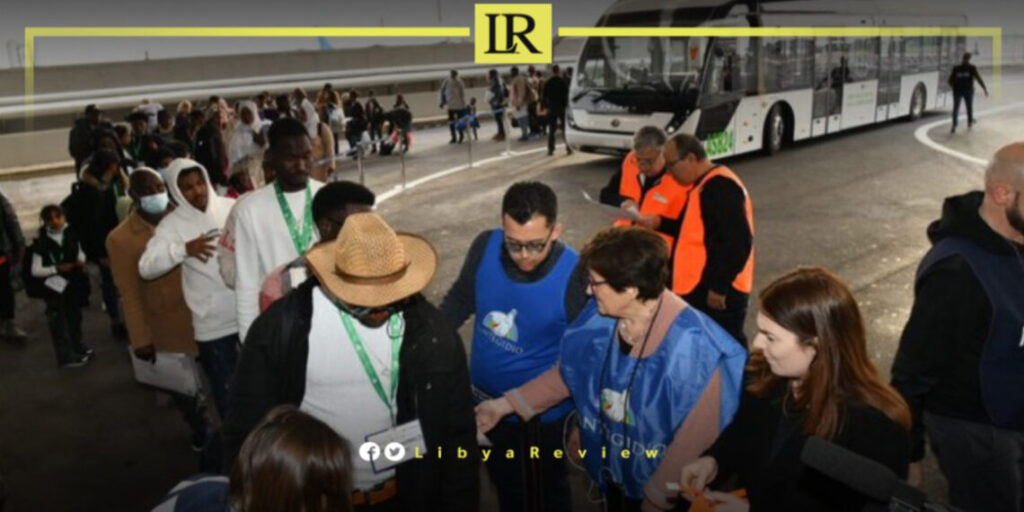
- On Thursday, February 13, a group of 139 refugees arrived in Rome from Tripoli, Libya, as part of a humanitarian corridor program coordinated by the United Nations High Commissioner for Refugees (UNHCR) and Italian authorities. The refugees landed at Leonardo da Vinci International Airport on a chartered flight, organized in collaboration with the Italian Ministries of Interior and Foreign Affairs, UNHCR, the humanitarian organization Arci, and the Catholic community Sant’Egidio, according to Italian news agency AKI. Among the group, 39 are women, and 69 are minors, some of whom were born in Libya and have lived there under harsh conditions. Many of these refugees endured years of hardship in Libya, where they were often subject to exploitation, abuse, and detention in inhumane conditions. Their safe relocation to Italy was made possible through a protocol signed in December 2023, which has already helped resettle 592 asylum seekers from Libya.
- The Sudanese embassy in Libya announced that Libyan authorities have released 36 Sudanese nationals from detention centres. In a statement posted on its official Facebook page, the embassy confirmed that the release was coordinated with Libya’s Anti-Illegal Migration Authority. The statement did not specify the reasons for their detention or the exact locations where they were held. The move comes as Libya continues to face an increasing influx of Sudanese refugees. According to the latest figures from the United Nations High Commissioner for Refugees (UNHCR), the number of Sudanese refugees in Libya has surpassed 240,000. The agency also reported that approximately 500 Sudanese refugees enter Libya daily, fleeing conflict and instability in Sudan.
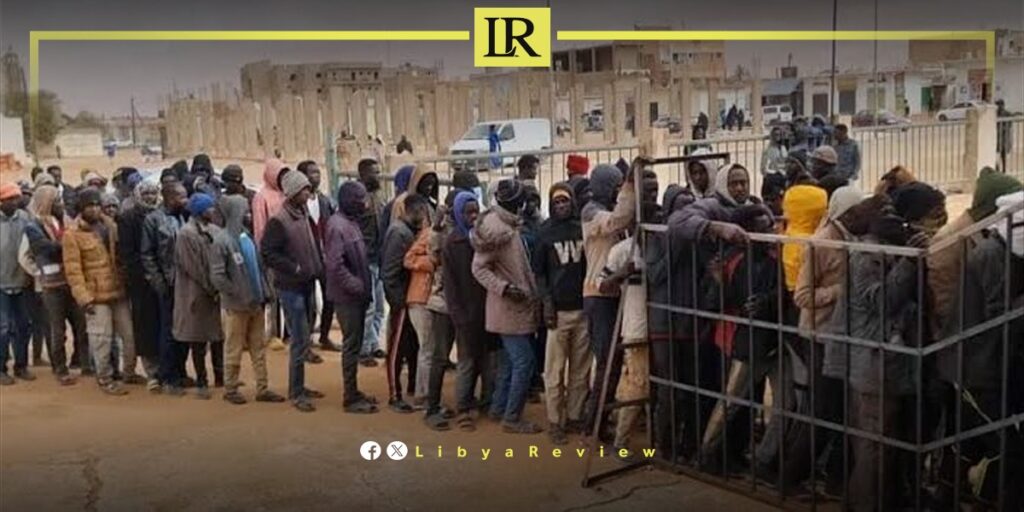
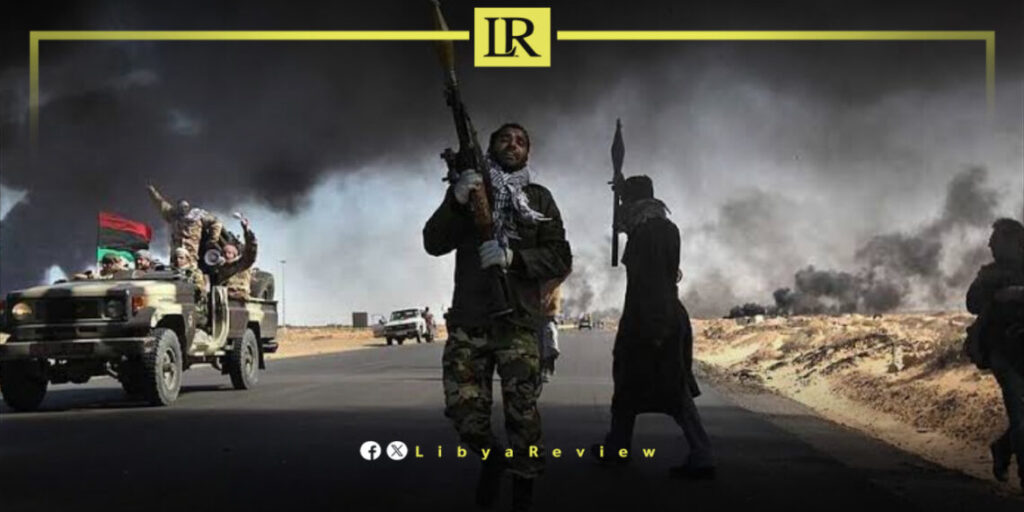
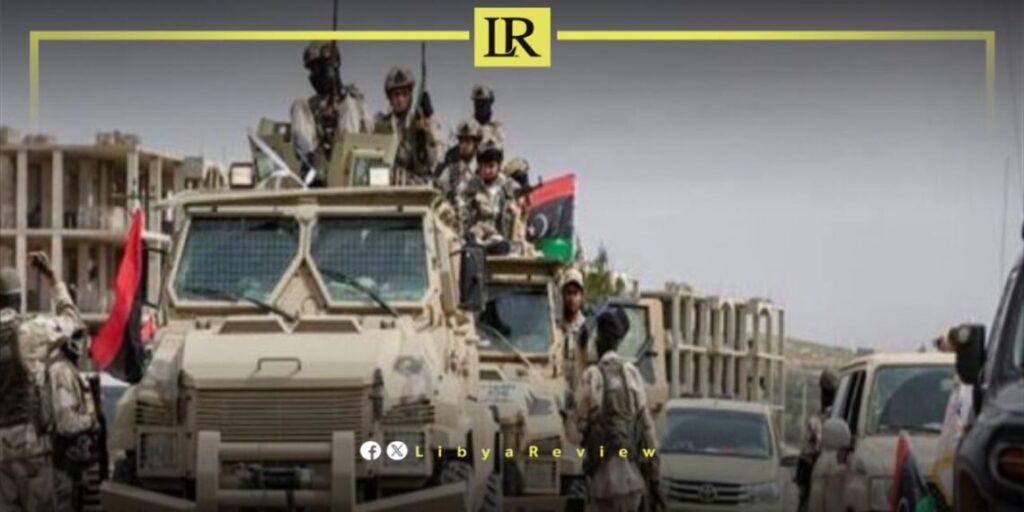
- Several Libyan National Army (LNA) soldiers were killed in armed clashes with smugglers in southern Libya near the Chadian border on Wednesday, according to Major General Jamal Al-Amami, Director of the General Directorate of Security Operations and head of the Joint Security Room. Local news agencies reported that the number of casualties had reached seven LNA personnel. Al-Amami expressed condolences for the fallen soldiers, stating that they were killed in confrontations with fuel, drug, and human traffickers in southern Libya. He affirmed that security operations would continue to dismantle organised crime networks, stressing that the state would not tolerate criminals and lawbreakers. He added that security forces, in coordination with the armed forces, were determined to impose stability in the region.
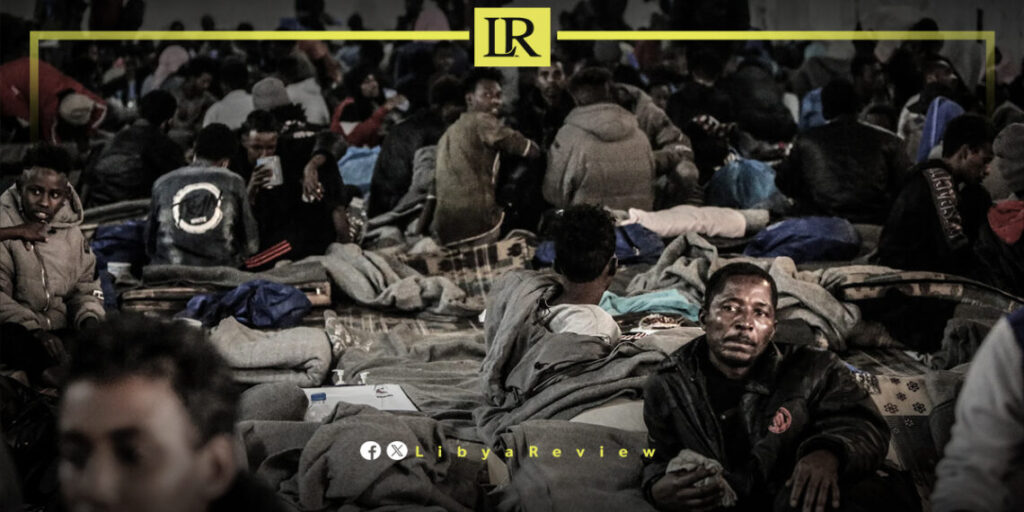
- Libya remains one of the most dangerous places in the world for migrants, with thousands subjected to brutal violence, trafficking, extortion, and medical neglect, according to a report issued by the Doctors Without Borders/Médecins Sans Frontières (MSF). In 2024, the International Organization for Migration (IOM) estimated that 787,000 migrants and refugees were in Libya. Many arrived seeking work, while others hoped to cross the Mediterranean to Europe. Instead, they find themselves trapped in inhumane conditions, abused, and denied access to healthcare. For migrants in Libya, violence is constant. They are kidnapped, tortured, and extorted for ransom. Women and children face sexual abuse. Inside and outside detention centers, migrants are treated as commodities, exploited by traffickers, militias, and corrupt officials. Without legal status, migrants have no protection and no access to medical care. They live in overcrowded, unsanitary, and unsafe conditions, at risk of malnutrition and disease.
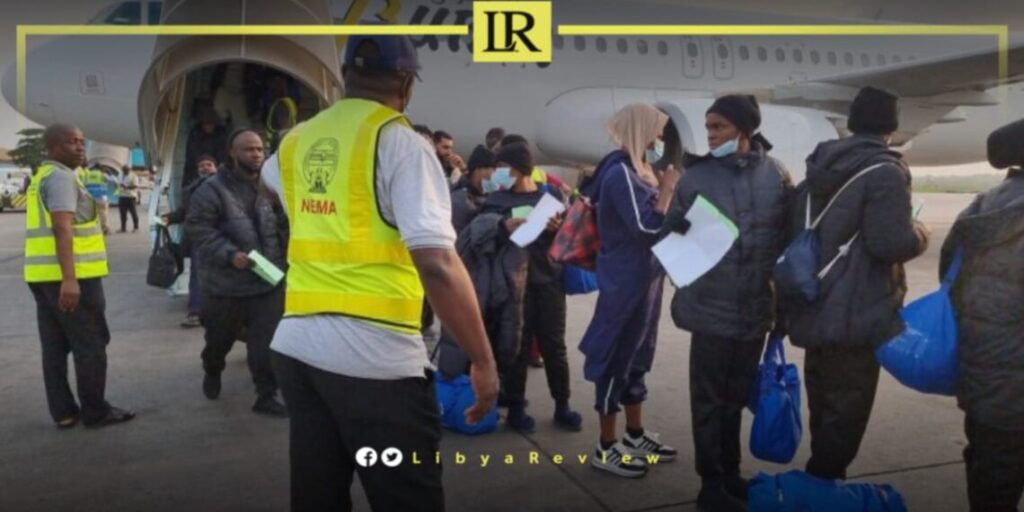
- A total of 148 stranded Nigerian migrants, including women and children, have been repatriated from Libya with the support of the International Organisation for Migration (IOM), the Libyan Directorate for Combating Illegal Migration (DCIM), and the Nigerian consulate. The migrants were flown from Mitiga International Airport in Tripoli to Lagos on Wednesday through the Voluntary Humanitarian Return (VHR) programme. The group consisted of 13 men, 124 women, and 8 children. Authorities confirmed that the return operation was part of ongoing efforts to assist migrants stranded in Libya. Many of them had attempted to use the country as a transit route to Europe but became victims of harsh conditions and exploitation. Nigeria’s National Emergency Management Agency (NEMA) announced on social media that its officials received the returnees at Murtala Muhammed International Airport in Lagos at exactly 17:35 local time. The agency said the migrants arrived aboard a Boeing chartered flight with registration number 5A-BAA. Upon arrival, they underwent mandatory profiling and biometric registration before being transferred for reintegration programmes led by IOM.
- Pakistan’s Federal Investigation Agency (FIA) has arrested five human traffickers, including two proclaimed offenders. The crackdown targets networks smuggling people to Europe through Libya. A deportee from Libya arrived at Sialkot Airport after smugglers failed to send him to Italy. The passenger, Haroon Jameel, was travelling on a fake passport arranged by a Libyan agent. His uncle had paid Rs2.5 million to a trafficker in Lahore, hoping to get him into Italy. Instead, he was stranded in Libya. Jameel later contacted another agent in Jhelum, who took Rs2.3 million but failed to bring him back. Immigration authorities detained Jameel on arrival and referred him to the FIA’s anti-human trafficking unit. In separate cases, the FIA arrested several traffickers. Arshad Sulehria from Sialkot was caught for taking Rs450,000 to smuggle a man to Italy. Asif Javed from Kasur took Rs1.5 million, promising an employment visa for Germany. Tayyab Sohail Butt from Gujranwala charged Rs4.5 million to smuggle someone to the UK. Muhammad Faizan from Lahore took Rs600,000 to send a man to Malaysia.
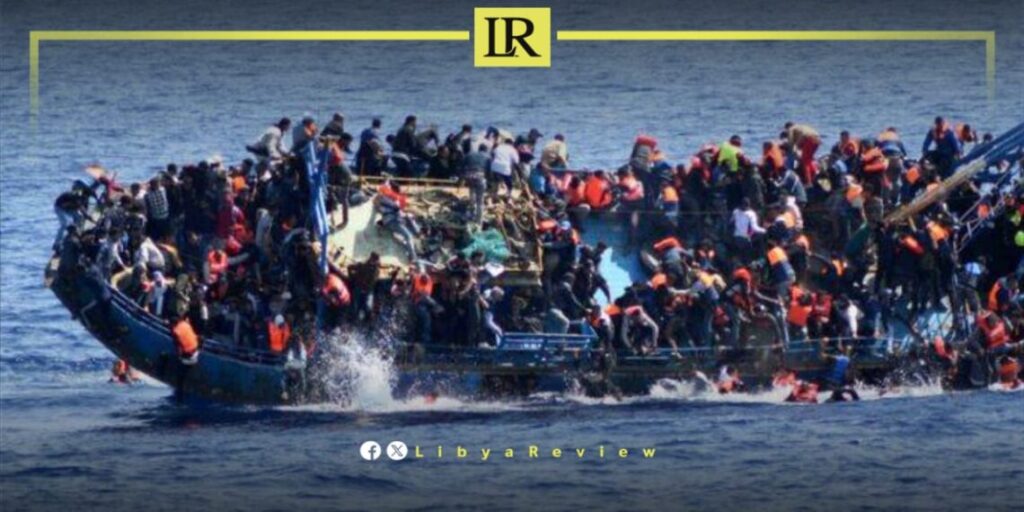
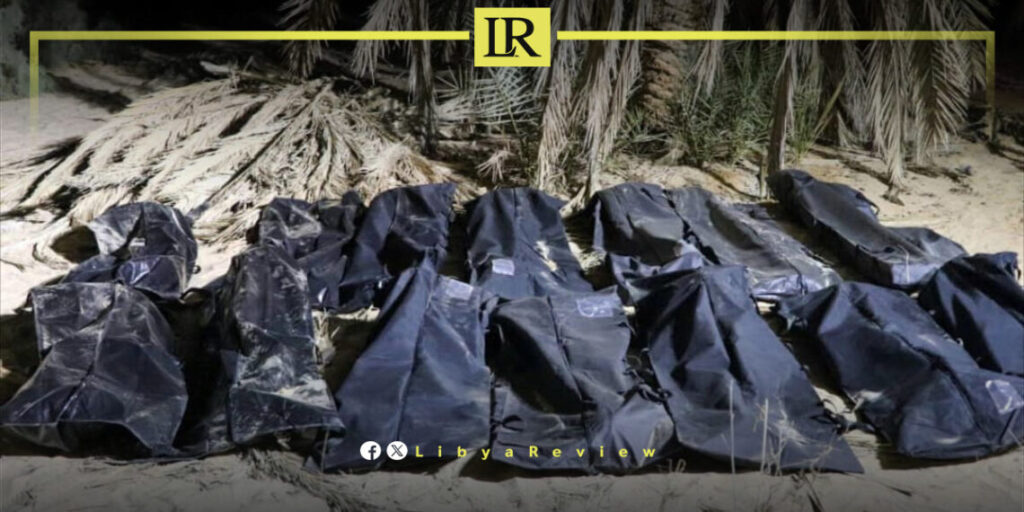
- On Monday, February 10, the International Organization for Migration (IOM) expressed shock and deep concern after the discovery of two mass graves in Libya, containing the bodies of dozens of migrants, many of whom had been shot. The grim discovery highlights the extreme dangers faced by migrants who attempt to cross the country, often falling victim to human traffickers and armed groups. Libyan authorities uncovered the graves during a police operation that led to the rescue of hundreds of migrants from smugglers. One mass grave was found in Ajkharah, about 400 kilometers south of Benghazi, where 19 bodies were recovered. A second, larger grave in the Kufra desert in southeastern Libya contained at least 30 bodies, with estimates suggesting the number could be as high as 70. The nationalities of the victims remain unknown, and investigations are ongoing to identify those responsible.
NATIONAL POLITICS AND SOCIAL ISSUES
- Libya remains one of the most corrupt countries in the world, according to the 2024 Corruption Perceptions Index (CPI) released by Transparency International. The country ranked 173rd out of 180, scoring 13 out of 100, reflecting a significant decline of 5 points from the previous year. The CPI measures perceived corruption in the public sector, with 0 representing extreme corruption and 100 indicating a corruption-free state. Libya’s poor ranking highlights its ongoing struggle with governance failures, lack of transparency, and weak law enforcement mechanisms. Several Arab countries also ranked among the world’s most corrupt nations. Somalia ranked 179th with 9 points, making it the most corrupt country globally. Syria followed at 177th with 12 points, while Yemen and Libya tied at 173rd with 13 points. The report emphasized that corruption remains a severe issue across the region, hampering development, economic stability, and public trust in institutions. Since the 2011 uprising that toppled Muammar Gaddafi, Libya has faced political chaos, armed conflict, and institutional collapse. The country remains deeply divided between rival governments—the Tripoli-based Government of National Unity (GNU) under Abdul Hamid Dbaiba and the eastern-based administration led by Osama Hammad.
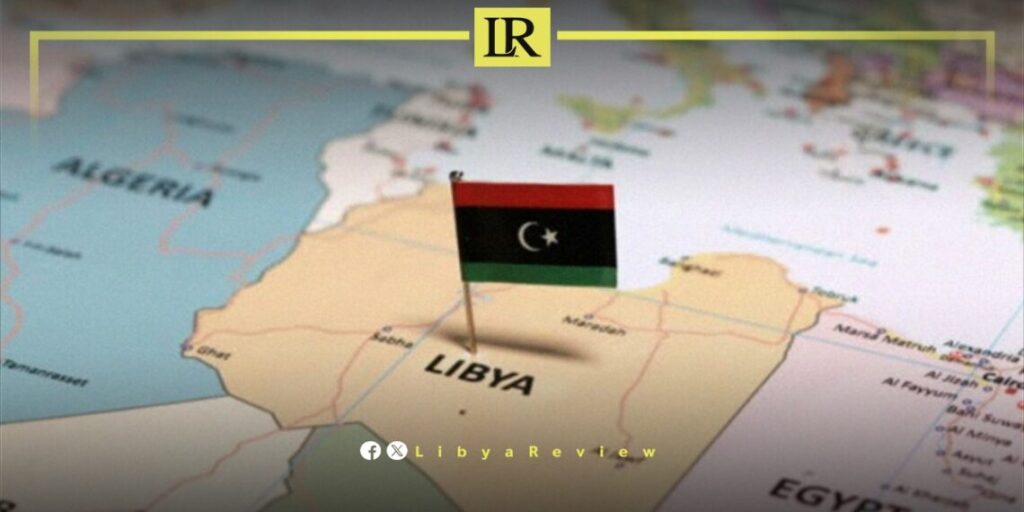
- The Advisory Committee has wrapped up its first two-day meeting in Tripoli, marking a critical step in Libya’s ongoing political process. Facilitated by the United Nations Support Mission in Libya (UNSMIL), the meeting focused on establishing the committee’s operational framework, setting the stage for its next session scheduled for next week. Participants also engaged in initial discussions on key contentious issues related to Libya’s electoral framework. Stephanie Khoury, Deputy Special Representative of the UN Secretary-General for Libya, underscored the committee’s role as a pivotal component of the broader political roadmap. She emphasized that its primary mandate is to develop concrete proposals to address critical electoral disputes hindering Libya’s path to national elections. “As the UN mission advances a multi-track approach encompassing political, security, and economic dimensions, the Advisory Committee must remain focused on the electoral framework. Specifically, it should tackle the contentious issues obstructing national elections,” Khoury stated, addressing committee members. “This is not a political forum, and its credibility hinges on maintaining this mission.”
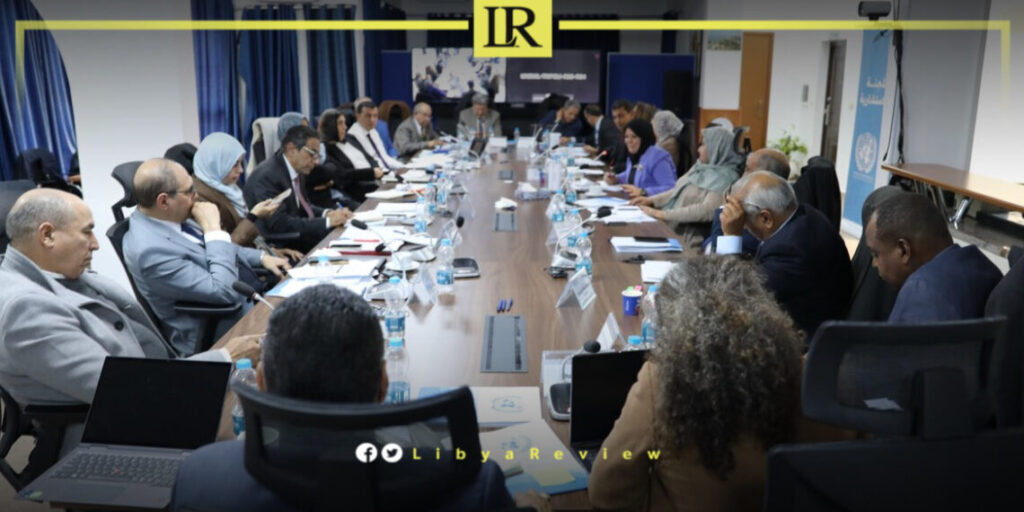
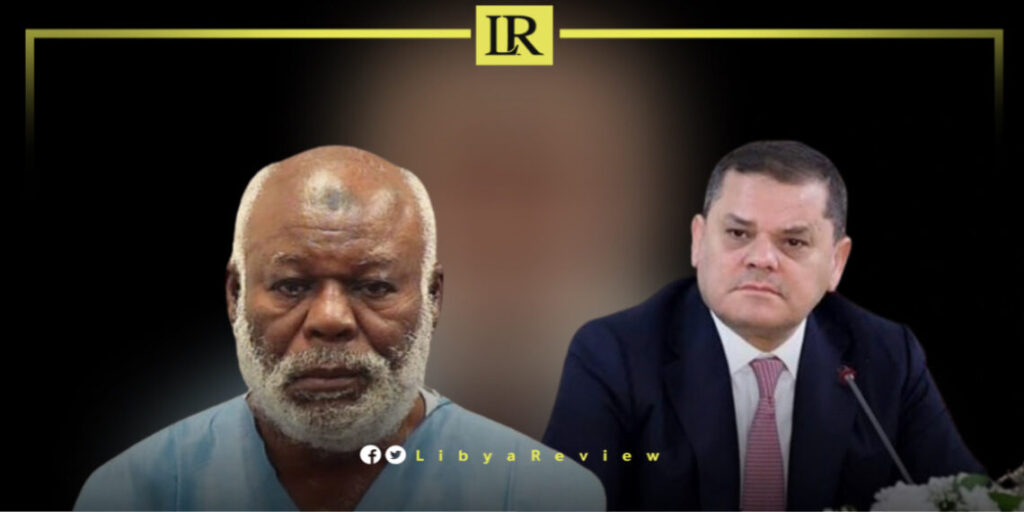
- On Monday, February 10, the family of Abu Ajila Masoud Al-Marimi filed a lawsuit against Libyan Prime Minister Abdul Hamid Dbaiba and the Foreign Ministry at the International Criminal Court (ICC) in The Hague. The lawsuit accuses Dbaiba’s government of unlawfully extraditing Al-Marimi to the United States, violating Libyan sovereignty and due process. Abu Ajila Masoud Al-Marimi, a former Libyan intelligence officer, was accused of involvement in the 1988 Lockerbie bombing, which killed 270 people. In December 2022, Libyan authorities handed him over to the U.S., where he faces charges related to the attack. His extradition triggered widespread outrage in Libya, with many calling it a politically motivated move that disregarded legal and diplomatic agreements.
INTERNATIONAL RELATIONS
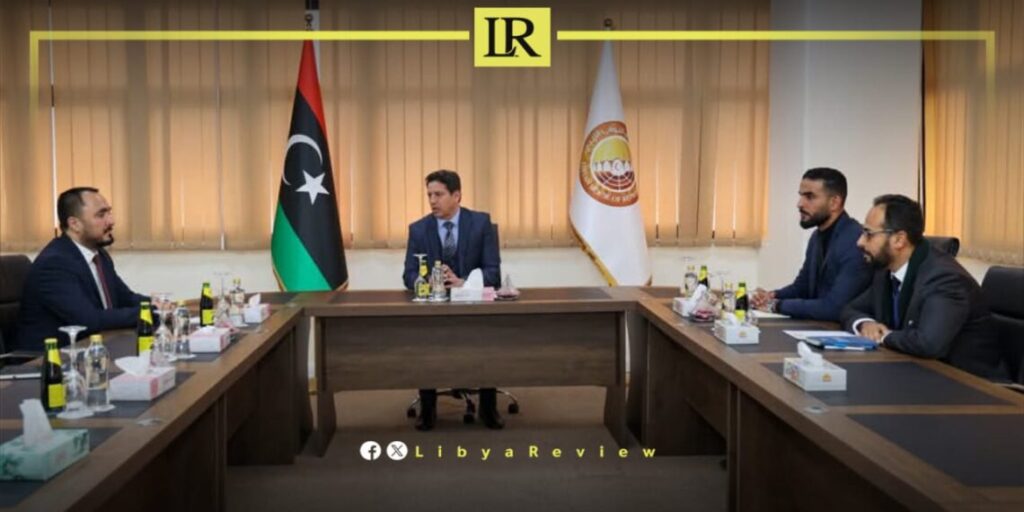
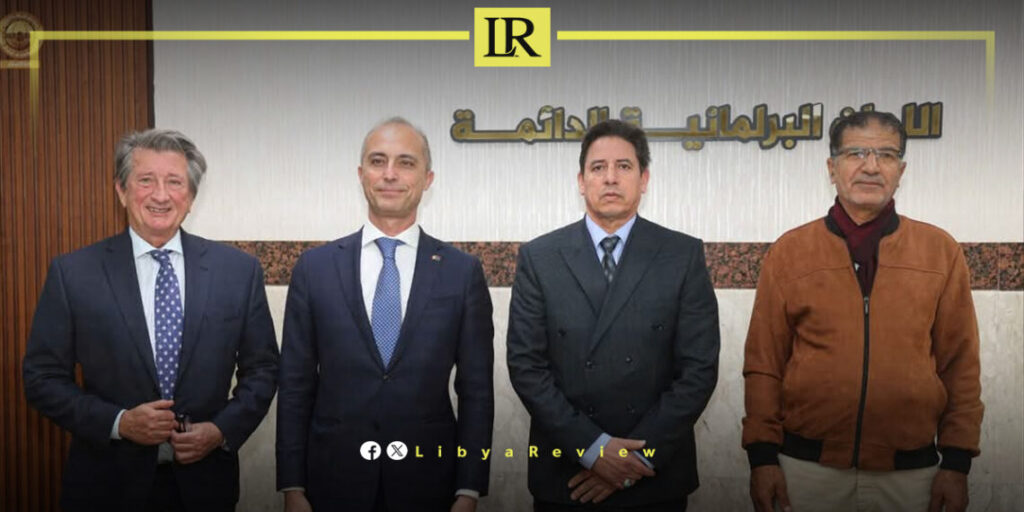
- On Wednesday, February 12, the Chairman of the Foreign Affairs and International Cooperation Committee in Libya’s House of Representatives, Yousef Al-Agouri, met with Italian Ambassador Gianluca Alberini and Consul Francesco Luigi in Benghazi to discuss key bilateral issues, including migration, economic investment, and visa facilitation. The talks highlighted Libya’s efforts to strengthen international partnerships as it seeks stability and economic recovery. The meeting addressed the urgent migration crisis, with Libya remaining a major transit hub for migrants trying to reach Europe. Libya has called for greater international support to combat human trafficking networks and manage the growing number of migrants within its borders.
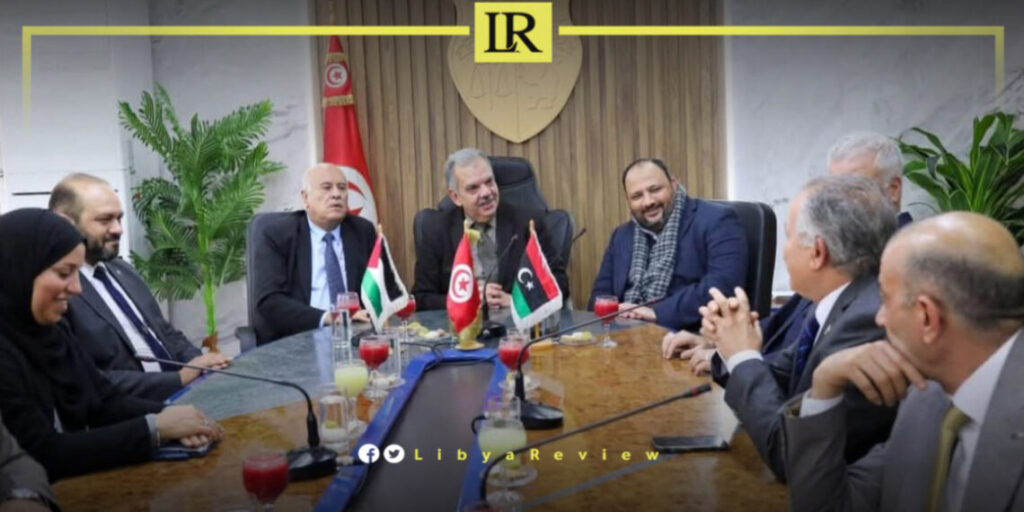
- On Monday, February 10, Libyan Minister of Youth, Fathallah Al-Zani, met with his Tunisian counterpart, Sadek El-Mourali, during the 24th National Conference of Tunisian Scouts to discuss ways to enhance cooperation in youth programs and leadership development. The talks stressed the need for closer collaboration between the two countries to exchange expertise, create new opportunities for young people, and support joint initiatives that promote skill-building and community engagement. The meeting was attended by many regional figures, including the President of the Palestinian Supreme Council for Youth and Sports and the Secretary-General of the Arab Scout Organization.
- The Turkish consulate in Benghazi is set to open in its new headquarters by mid-2025, marking a significant step in strengthening diplomatic and economic ties between Libya and Turkey. Chairman of the Foreign Affairs and International Cooperation Committee of the Libyan House of Representatives, Yousef Al-Agouri, met with Turkish Consul Serkan Karmanlıoğlu in Benghazi to discuss bilateral relations. Al-Agouri emphasised the importance of Turkish-Libyan cooperation, noting that Turkey plays a crucial role on the international stage. He highlighted that the Libyan Parliament has established a Libyan-Turkish Parliamentary Friendship Committee, chaired by MP Saleheen Abdelnabi. He urged the Turkish side to activate its counterpart committee in the Turkish Grand National Assembly to enhance parliamentary cooperation at a political level.