
NATIONAL SECURITY ISSUES
-
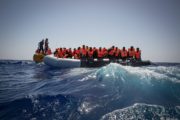
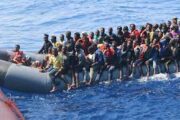
From 14 to 20 September 2025, 858 migrants were intercepted and returned to Libya, according to an IOM Libya maritime update. The update states that so far in 2025, a total of 18,260 migrants have been intercepted and returned to the country. The International Organization for Migration includes a disclaimer that it does not consider Libya a safe port for migrants.
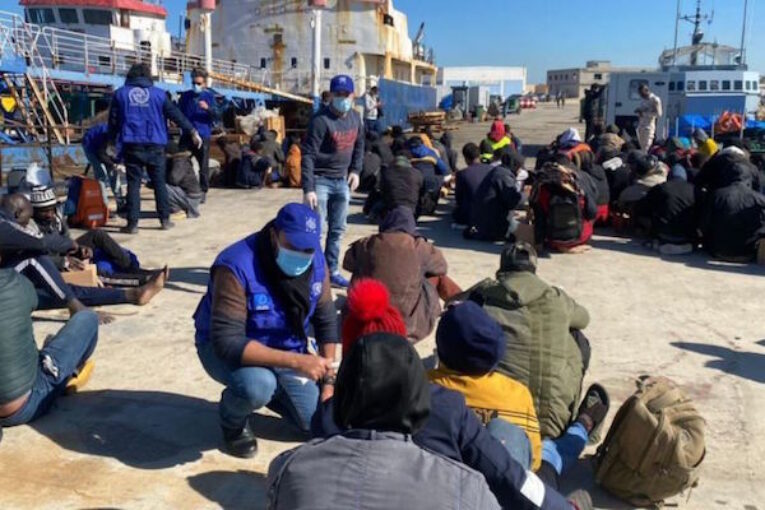
- Political analyst Faisal Bouraika stated that the region is witnessing violent shocks revealing the rise of powers seeking to control nations and strip them of their will. In a post on his Facebook page, he considered this scene to place Libya at a highly critical moment and to compound the risks surrounding it. Bouraika explained that what the country faces are not transient challenges but “existential” risks, pointing to a significant demographic change within Libya. He cited studies that speak of about 800,000 illegal immigrants spread across various regions. He emphasized that immigrants not only constitute an economic burden but also represent a source of danger to security and stability and a direct threat to the future of the state, alongside other challenges that should be seriously addressed among policymakers’ priorities.
- The Deportation Office of the Directorate for Combating Illegal Migration carried out deportations for a number of illegal migrants of Egyptian and Bangladeshi nationalities, after completing the procedures for their removal from Libyan territory for violating applicable laws. On Monday, September 22, a group of Egyptian migrants was deported through the Musaid land border crossing, in the presence of members from the Egyptian Embassy. They were deported with travel documents issued by their country’s embassy. Also, late last week, another group of illegal migrants of Bangladeshi nationality was deported through Mitiga International Airport, after coordination with the relevant authorities and the finalization of all legal and administrative procedures for the removal process.
NATIONAL POLITICS AND SOCIAL ISSUES
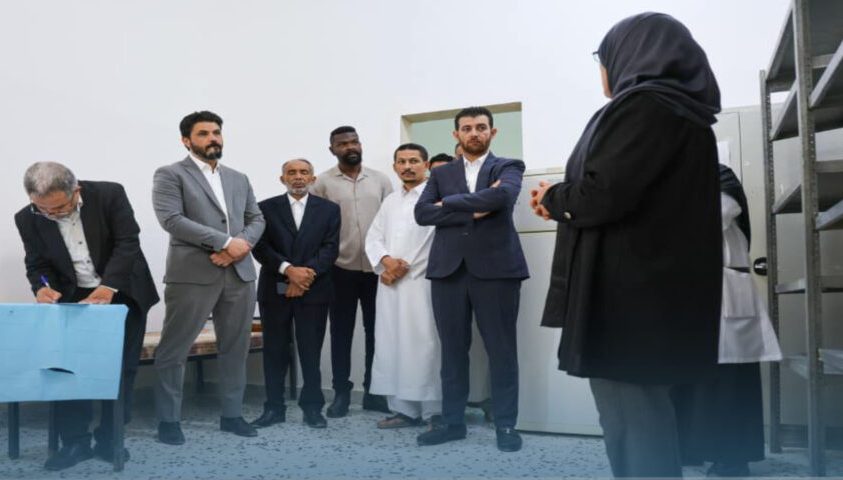
- The Libyan Ministry of Health continued its efforts to evaluate and improve the level of health services in remote areas, through a field visit conducted by the Undersecretary General of the Ministry, Dr. Abdul Salam Aqila, to the Zella and Marada regions. The visit, which comes under the directives of Prime Minister Dr. Osama Hammad and with direct support from the Deputy General Commander, Lieutenant General Saddam Khalifa, aims to assess performance within hospitals and health centers, identify the challenges facing these facilities, and determine the necessary needs to improve the quality of healthcare provided to citizens.
- Libya is preparing to host the International Digital Conference on Violence Against Women next November, organized by the Office for the Support and Empowerment of Women at the University of Benghazi. The event will feature wide participation from researchers and academics from several countries to discuss the legal, social, and psychological aspects of the issue, and to present recommendations and practical solutions that enhance the protection of women in the digital space. Reem Abrik Al-Warfali, a member of the conference’s Scientific Committee, told the Libyan News Agency that the scale of participation is large and honorable. The committee has received 72 research papers from several countries, including Kuwait, Algeria, Tunisia, Morocco, Egypt, Iraq, and Malaysia, in addition to local submissions from the cities of Benghazi, Tripoli, Sirte, Misrata, Sabratha, Tobruk, and Derna. This reflects the growing academic interest in this issue both locally and internationally.
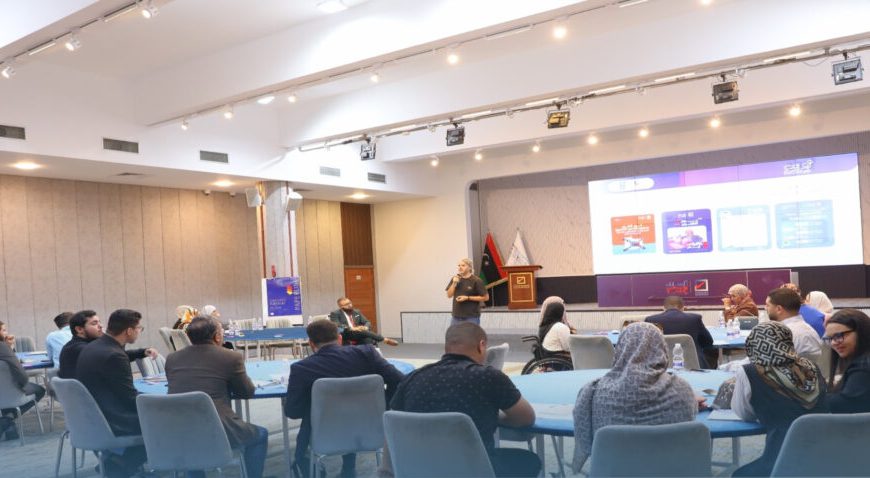
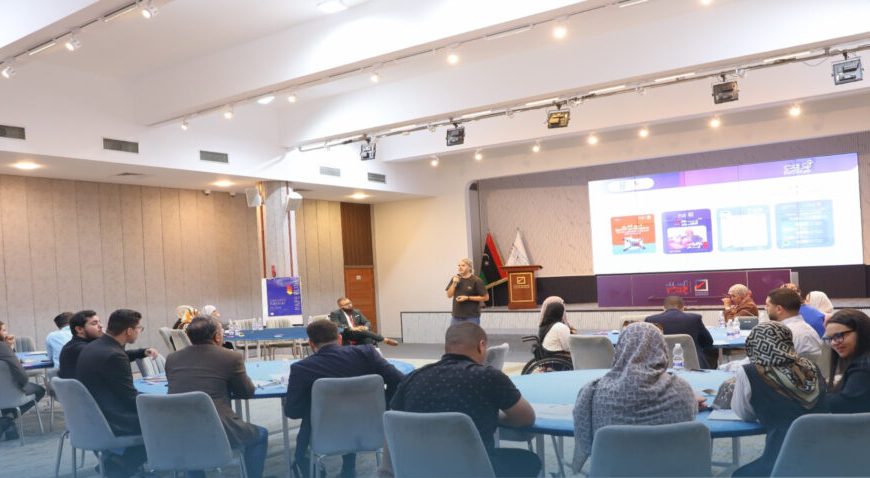
- The High National Elections Commission concluded on Monday the activities of the two-day Youth Empowerment Forum, held at the Commission’s media center in Tripoli with the support of the Libya Elections Support Project. The second day of the forum included training and practical sessions on election awareness strategies, where participants presented innovative awareness plans targeting youth and new voters, in addition to competitions among the participating teams. The program concluded with an interactive dialogue session with the Commission’s Awareness and Communication Department, which listened to the youth’s proposals for enhancing their participation in upcoming elections.
INTERNATIONAL RELATIONS
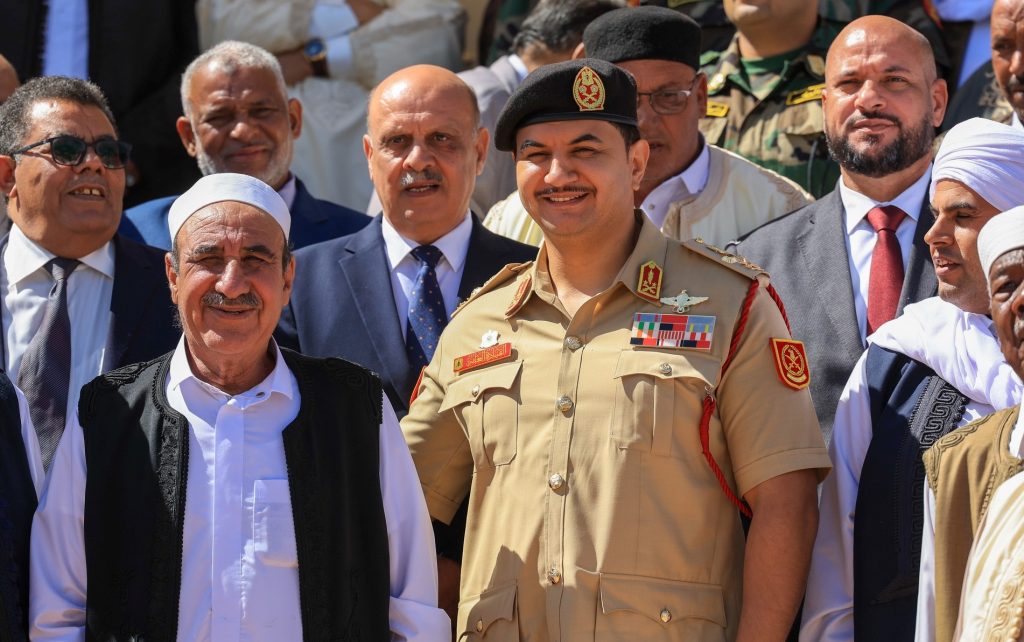
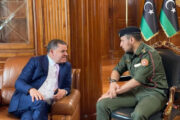
- The Deputy Commander-in-Chief of the Armed Forces, Lieutenant General Saddam Khalifa, received a delegation of sheikhs and notables from the Awlad Sulaiman tribe at his office in the city of Benghazi. He conveyed to them the greetings of the Commander-in-Chief of the Armed Forces, Field Marshal Khalifa Haftar, expressing his pride and honor in the tribe’s patriotic stances and distinguished history of serving the nation. During the meeting, the Deputy Commander-in-Chief valued the sacrifices and honorable positions of the venerable Awlad Sulaiman tribe in securing the southern regions of Libya and supporting the armed forces’ efforts to impose security and establish stability throughout the country.